AI music is emerging from the gray area — and this is just the beginning
An AI cover of "Sedaya Noch" in Kanye West's voice topped the global Shazam charts, even though the track officially did not exist on any platform. A few weeks later, Spotify announced the launch of legal AI remixes and covers in collaboration with Universal Music Group. IT expert and author of The Tech, Temirlan Zinalabdin, explains why this is not just a viral trend, but the beginning of a large-scale transformation of the music industry — from Kazakhstan to the global market.
Author - Malika Berdikulova
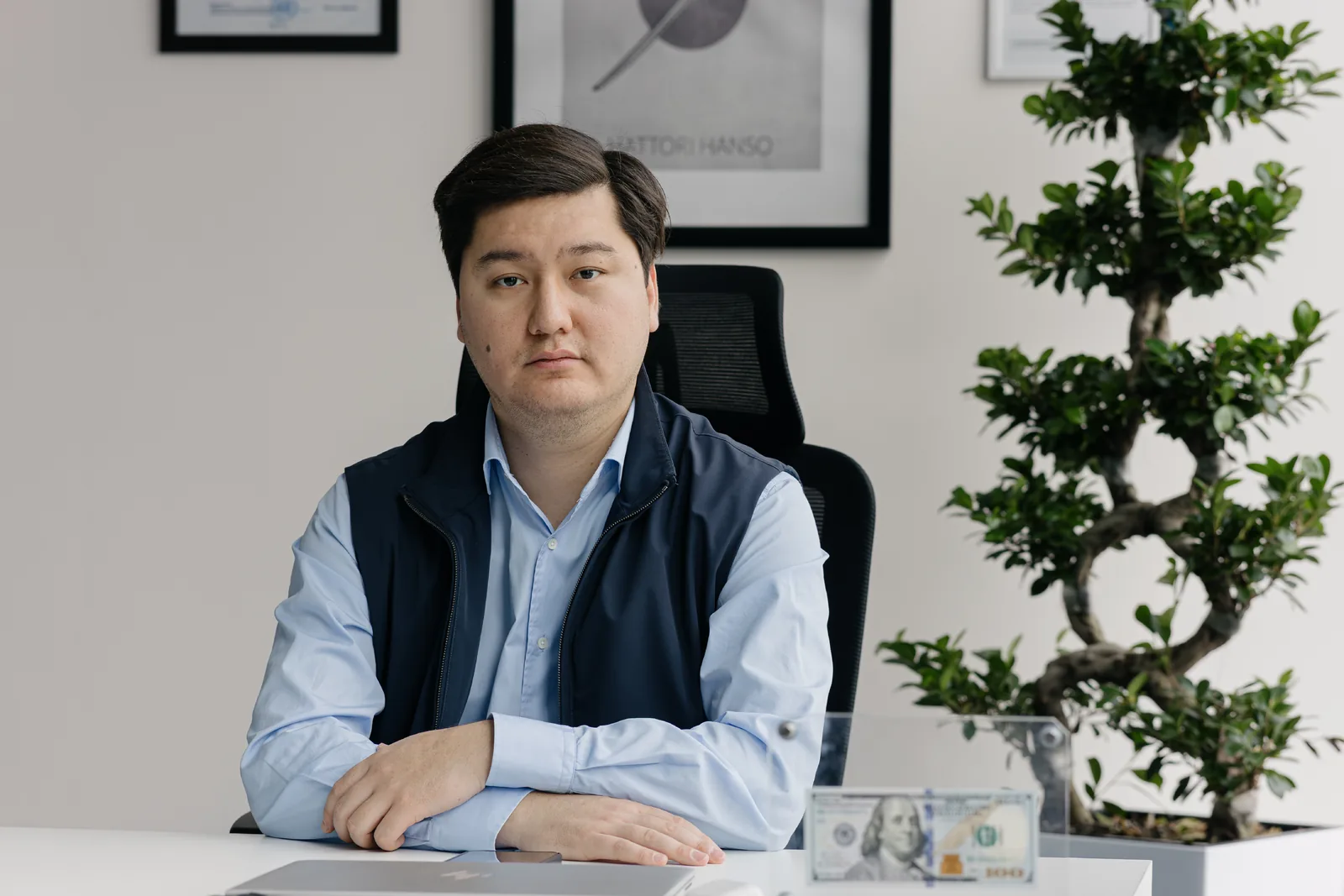
Temirlan Zinalabdin, city — Astana, IT expert, artificial intelligence specialist
In April 2026, blogger August Septembrov from Izhevsk, a travel agent by profession with no formal musical education, published a short video on social media. A neural network sang Yuri Shatunov’s “Sedaya Noch” in Kanye West’s voice in English under the title Silver Night. The result was so realistic that hundreds of thousands of people worldwide believed it was a genuine recording.
People heard the track in Reels and Stories and used Shazam. They simply pulled out their phones and tapped “What is this song?” The track did not officially exist on any platform, but that did not stop it from overtaking Taylor Swift, Beyoncé, and Drake in the global Shazam chart. 288,000 recognitions in just a few days.
For me, this is not a viral meme. It is a demonstration of a new state of the industry. The barrier to entry into music production has been reduced to zero. Previously, you needed a studio, a producer, a budget, and years of practice. Now, one idea is enough.

Kazakhstani pop music is already on board
The trend has reached us as well. A month ago, an AI cover in Kazakh of Uzbek singer Lola Yuldasheva’s song Muhabbatim went viral on social media. Users adapted the track into Kazakh under the title “Makhabbatym,” and it became one of the most recognizable audio trends of the spring.
Nurzhan Kermenbaev, winner of SuperStar KZ, joined the wave by releasing a live performance. The audience’s reaction was telling: people admitted that they started re-listening to the song precisely after hearing the live vocals. Many wrote that during the hype around the AI version, they thought Kermenbaev was singing it.
The conclusion is obvious: AI does not replace live artists—it creates new demand for them.
However, both these stories—Silver Night and “Makhabbatym”—raise the same uncomfortable question: who owns the rights to an AI cover? The original is formally protected by its authors, but AI versions exist in a legal gray area. If a neural network copies the timbre or style of a specific artist without permission, this is fertile ground for claims, especially if the content is monetized. The legislation of Kazakhstan and most CIS countries has not yet kept pace with the speed of these changes: there are still no clear rules regarding who owns the rights—the creator of the prompt, the owner of the original, the platform, or the person whose voice was recreated.
This is exactly when Spotify enters the game. The world’s largest streaming service signed an agreement with Universal Music Group: users will be able to legally create AI covers and remixes of popular tracks directly within the platform.
Spotify is not making such moves for no reason. They see the data—how many people are already creating and consuming AI music. Legalizing this space was inevitable. The only question was who would take the first step. And they did.
We are witnessing a transformation comparable to the emergence of MP3 in the late 1990s. Back then, the industry also sued first—and then adapted and earned more than before. Now history is repeating itself, only faster.
AI does not kill music. It changes the main question: not “Can you play?” but “Do you have an idea?” And I think that is fairer.
The Tech on Telegram Follow The Tech on Telegram
Keep up with the latest technology and startup news.
Related reading







More from this author
Article
IT Events of the Week, June 7-13: Turkic Game Jam, New Vision Forum, and Startup Battlefield
Malika Berdikulova
News IT
Azerbaijan and OpenAI have agreed to create an AI platform for schools.
Malika Berdikulova
News IT
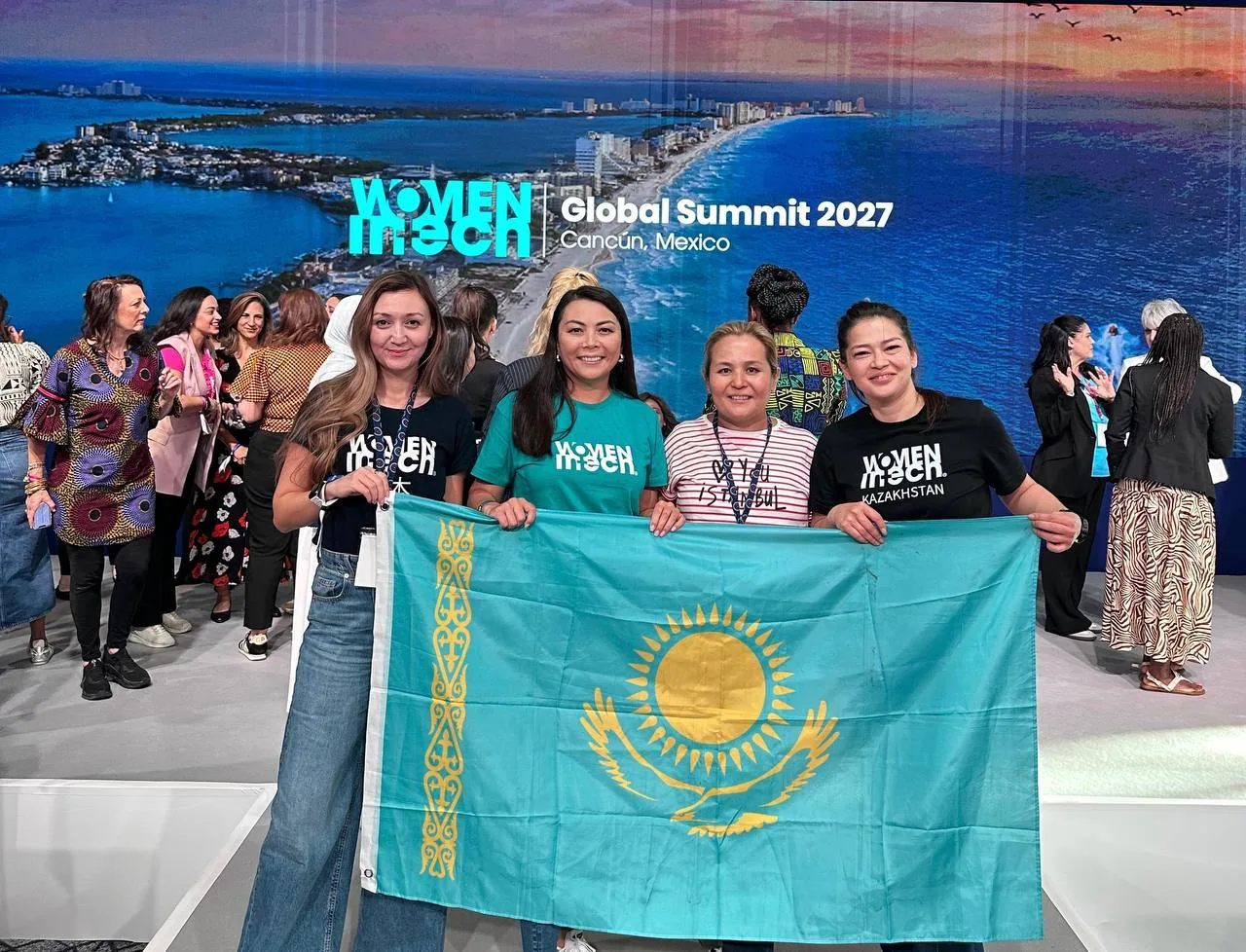
Kazakhstan participated in the Women in Tech Global Summit 2026 in Cape Town
Malika Berdikulova