Gemini 4 Argon: What the New Google Model Can Do and Who It’s Useful For
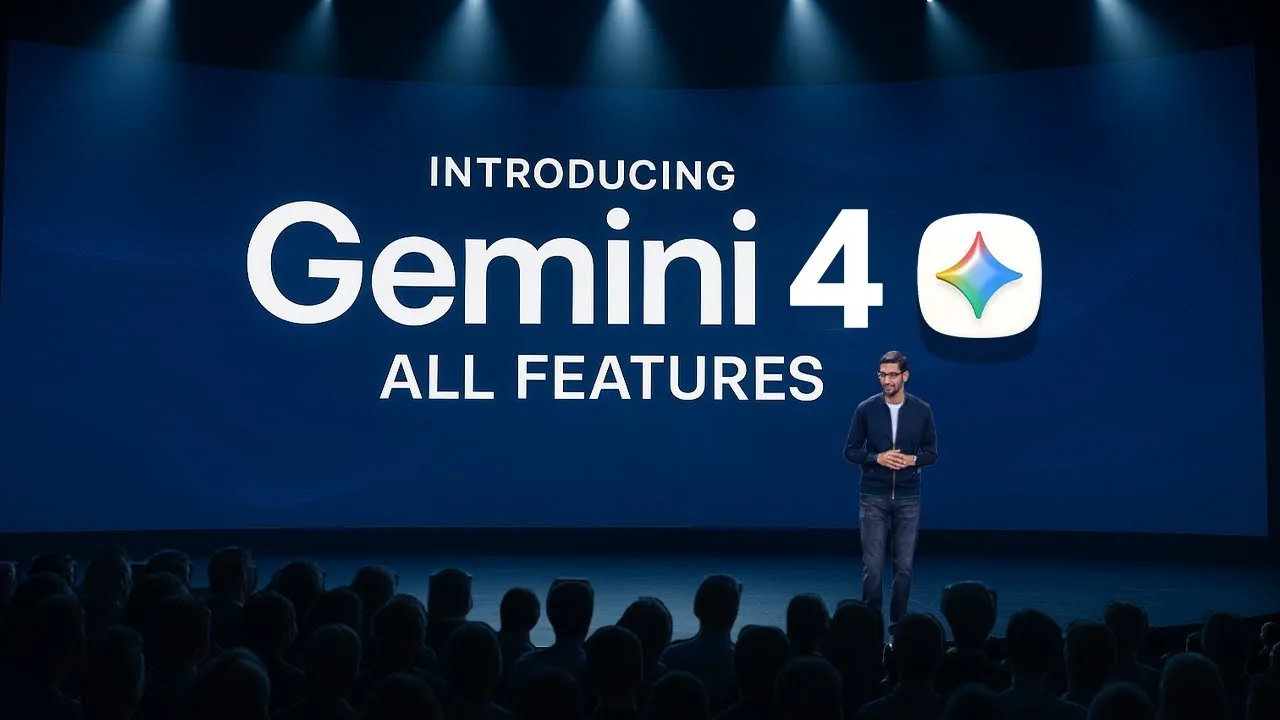
On September 30, 2026, Google introduced Gemini 4 Argon, a new artificial intelligence model designed for complex work tasks. The model is focused on programming, data analysis, and cybersecurity. Google is betting on tasks that require not just a single answer, but a multi-step sequential process.
The Tech AI
Get the key points in seconds - a short summary from The Tech AI.
Gemini 4 Argon supports generation of up to 1 million tokens (an increase from 64,000) and is designed for engineers, analysts, and cybersecurity teams. The model analyzes code and documents and identifies vulnerabilities: in DeepSWE v1.1 tests, it scored 77.9%, and in CWE-bench v1, it scored 68%. Results require verification before deployment; for simple tasks, the model's capabilities are excessive.
What has changed in the new model
One of the key innovations is the increased generation volume. Gemini 4 Argon supports up to one million tokens per response. The previous limit was 64,000 tokens. This allows the model to work longer on complex tasks and process large volumes of information.
The model is also designed to work with source code, documents, charts, and other types of data. According to Google, its engineers are already using it to find bugs, design algorithms, and migrate large codebases to other programming languages.
What you can do with Gemini 4 Argon
Work with source code. The model helps analyze existing projects, find bugs, and prepare fixes. It is oriented toward complex engineering tasks, not just generating individual code snippets.
Analyze documents and data. The model can be useful for financial specialists studying reports and preparing analytics, as well as for legal teams searching for information in voluminous documents and drafting content.
Identify vulnerabilities. A separate area is cybersecurity. Google states that the model is capable of independently finding, verifying, and fixing critical software vulnerabilities. The company also reported that Argon helped discover a vulnerability in medical software that could have led to the exposure of patients' personal data.
However, the model's results must be verified before deployment, especially when it comes to critical systems and confidential information.
How well the model handles tasks
In the DeepSWE v1.1 test, which evaluates the execution of complex tasks in software engineering, Gemini 4 Argon scored 77.9%. In the CWE-bench v1 test, which assesses the ability of models to fix vulnerabilities, it received 68%, tying for first place with another model.
These metrics were published by Google in its official announcement. They should be considered in light of the testing methodology and the fact that some results are based on the company's own evaluations. Argon shows strong results in certain tests but lags behind competitors in some programming tasks.
Who will benefit from the new model
Gemini 4 Argon is designed for developers, engineers, analysts, and corporate teams. It can assist with working on large software projects, processing voluminous documents, and automating multi-step processes.
The model will be useful for cybersecurity specialists in identifying vulnerabilities and verifying the protection of software systems. However, it does not replace expert assessment: identified issues and proposed fixes must be verified.
For everyday queries, writing short texts, and brainstorming ideas, Argon's capabilities may be excessive. Its main advantages are evident in tasks requiring extended analysis and sequential execution of actions.
The Tech on Telegram Follow The Tech on Telegram
Keep up with the latest technology and startup news.
Related reading




More from this author

Article Useful
How to protect your accounts from hacking: 8 settings you should check today
The Tech

Article Useful
500 Global: How the Accelerator Works and Who Can Receive Investments
The Tech

Article Interviews
Game Development in Central Asia: Arkady Moldavski on Developing Reverb and the Growth of the Industry
The Tech

Article Useful
Google, Tesla, BlackRock, and the IMF: Where to Apply for an Internship in Fall 2026
The Tech

News IT
Tesla unveiled the flying electric car Roadster
The Tech

News IT
Intero Biosystems startup won the Startup Battlefield at TechCrunch Disrupt 2026
The Tech