Founders of Nedvizhka.kz, Helio AI, and Clockster shared insights on what you need to know before entering the Uzbek market.
Entering a new market rarely goes according to plan. The founders of Nedvizhka.kz, Helio AI, and Clockster shared real-life cases: from improper adaptation of the business model and underestimating local specifics to the need to build trust and find strong local partners.
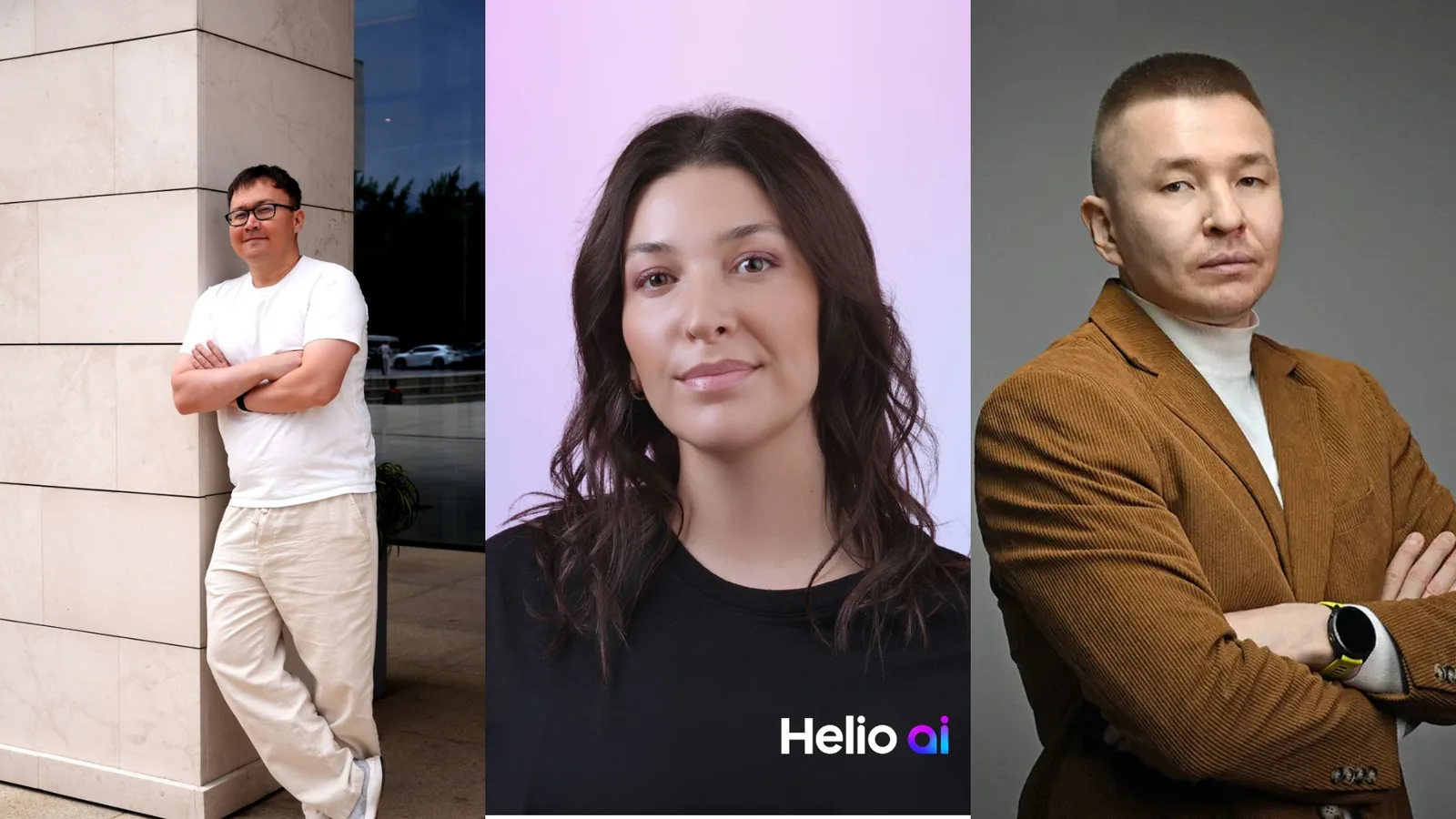
Bakhyt Kudaibergen, CEO and co-founder of Nedvizhka.kz | JoyBozor.uz
We are just entering the Uzbek market and have already hit our first bumps.
The main thing we understood from the very beginning is this: yes, it is a fraternal country, culturally and linguistically close to Kazakhstan. But precisely this closeness becomes the main trap. It seems that everything will work the same way as at home, and there is a temptation to transfer a successful model without changes. In practice, market features must not only be known but also respected. This applies to language, business etiquette, decision-making speed, and many other nuances.
We already tried to enter the Uzbek market in 2018 with a different project. And the biggest discovery for us in 2026 is how much the country has changed. Today, the digital economy is developing rapidly here, mobile technology penetration is high, the IT ecosystem is growing actively, and reforms are proceeding dynamically. If your perception of Uzbekistan was formed five or six years ago, it is better to leave it in the past and study the market anew.
One of our first mistakes cost us several weeks of work. We submitted an application for residency at IT Park Uzbekistan, almost transferring the business model from Kazakhstan without significant changes, and received a rejection due to one line in the revenue structure that did not meet local requirements. This experience clearly showed: do not do copy-paste even if the model works successfully at home. Every line of the business plan, every legal document, and every financial model is better verified against local requirements, and even better — discussed with local consultants.
Another feature that a Kazakh entrepreneur needs to get used to is the style of business communication. It took us time to understand that direct refusals are much rarer here than we are used to. Therefore, it is important not only to hear "yes" but also to always clarify the next steps, deadlines, and specific agreements. This is not a matter of "good" or "bad" — it is simply a different communication culture that is important to understand and accept.
And finally. We consciously launched in Uzbekistan under the local brand JoyBozor, rather than transferring the Kazakh brand. We believe that a new market requires local positioning and full language support. This is not just a marketing decision — it is a necessity for adapting the project to the market.
Uzbekistan is one of the most interesting and fast-growing markets in the region. But, as I see it, it is easier for those to succeed here who come not to teach the market, but to learn from it.
Iako Jikiya, CEO and co-founder of Helio AI
Uzbekistan is a very attractive market. It is large, growing rapidly, and offers many opportunities. But after working in this market, I would say that there are several things founders should know before entering it.
First, do not perceive it simply as just another market. We also initially thought: "Is it really that different?" It turned out — yes. Regulation, approaches to doing business, decision-making processes, and even small everyday moments can differ significantly. Be ready to adapt the product, change the sales process, and your approach to work. If you enter the market expecting everything to work the same way as before, difficulties are likely.
Second, start building your network of contacts from day one. There are many large companies in Uzbekistan, but it can be difficult to get directly in touch with the right people. Good local connections can save months of work and open doors that would be much harder to open on your own.
And one more important point — be patient. Usually, everything takes more time than you expect. Companies need to get to know you, understand the value of your offer, and build trust before making decisions. At the beginning, it may seem like nothing is happening, and then suddenly everything starts moving very fast. We ourselves convinced ourselves of this through our own experience.
Erzhan Ryskali, CEO and founder of Clockster
When Clockster entered the Uzbek market, we made several typical mistakes.
The first was perceiving Uzbekistan as a close and understandable market. It seemed to us that a successful model from Kazakhstan could be transferred there almost without changes. In practice, geographical closeness does not mean the same business culture, sales, or approach to trust.
The second mistake was overestimating the power of the product and underestimating the local team. In B2B, it is not enough to simply have a good service. Customers value local cases, partners, reputation, and people they trust.
The third mistake was trying to grow organically for too long. We hired employees, built a brand, and built a client base from scratch. Later we realized that M&A can give not only clients but also a team, expertise, and several years of saved time. That is why the acquisition of Workly became a strategically important decision for us.
Another conclusion is that expansion should be considered not only at the country level but also at the specific city level. Tashkent, Almaty, or Bishkek have different economies, connections, and sales costs.
If we were starting our entry into Uzbekistan today, we would invest earlier in local leadership, partnerships, and deals with local players. A good product gives the right to enter the market, but trust, team, and speed determine the result.
The Tech on Telegram Follow The Tech on Telegram
Keep up with the latest technology and startup news.
Related reading



More from this author

Article Useful
How to protect your accounts from hacking: 8 settings you should check today
The Tech

Article Useful
500 Global: How the Accelerator Works and Who Can Receive Investments
The Tech

Article Interviews
Game Development in Central Asia: Arkady Moldavski on Developing Reverb and the Growth of the Industry
The Tech

Article Useful
Google, Tesla, BlackRock, and the IMF: Where to Apply for an Internship in Fall 2026
The Tech

News IT
Tesla unveiled the flying electric car Roadster
The Tech

News IT
Intero Biosystems startup won the Startup Battlefield at TechCrunch Disrupt 2026
The Tech