Mistakes that cost startups TrustMe, Verifix, and PanDev Metrics hundreds of thousands of dollars
Mistakes in pitching, investor relations, and team management rarely look like a catastrophe in the moment. But they are precisely what later cost months of growth and hundreds of thousands of dollars. Several founders from Central Asia shared where they specifically lost money and what lessons they took away from these experiences.
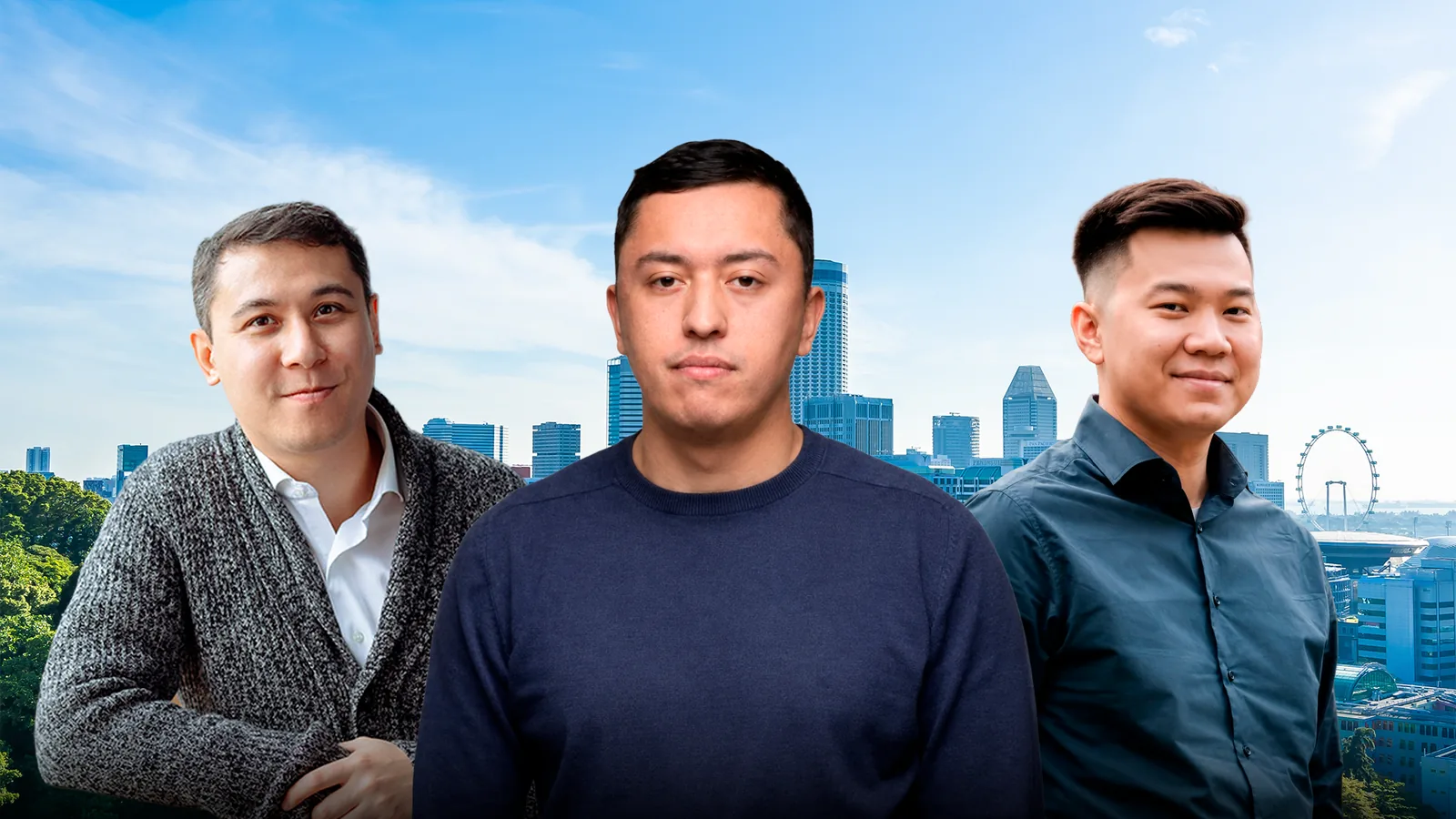
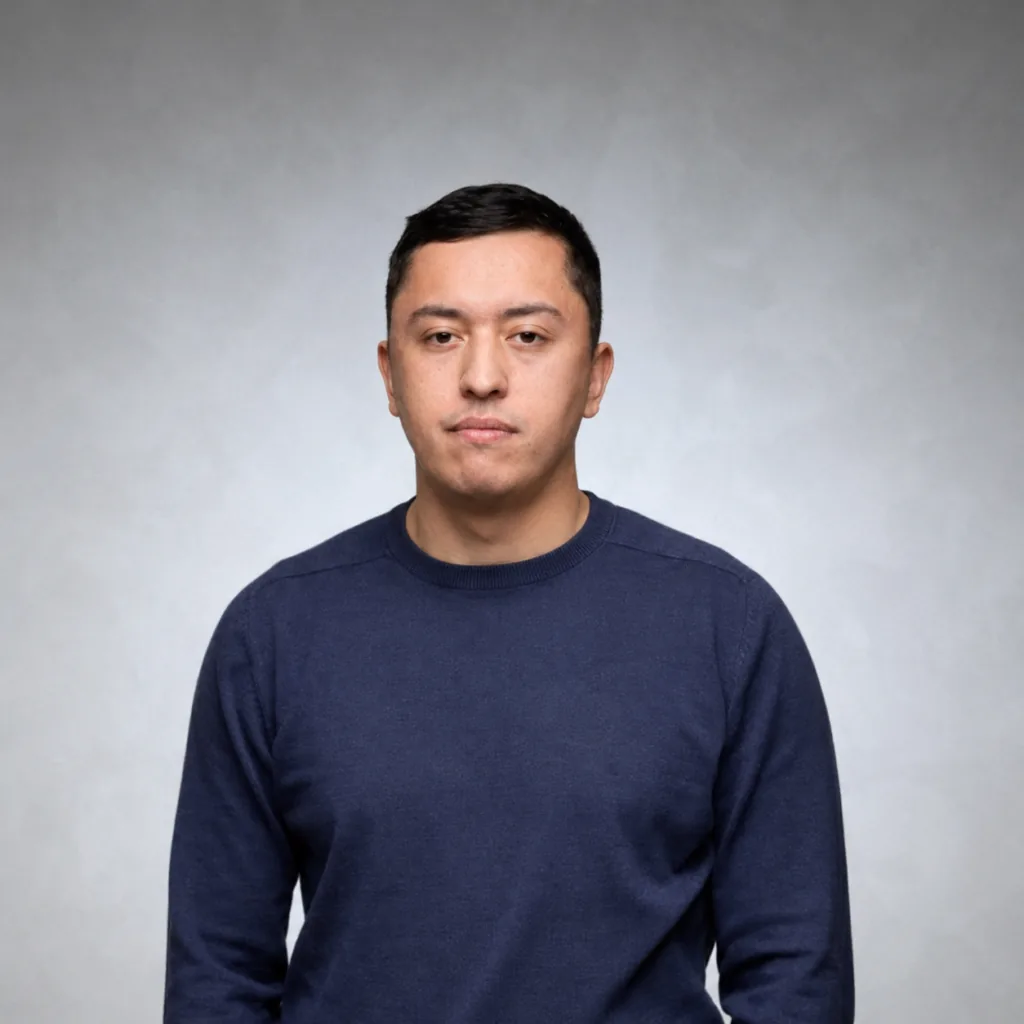
Mumin Salimov, CEO and co-founder of Verifix
Verifix is a comprehensive HRM platform for small, medium, and large businesses, with a focus on retail and HoReCa. In August 2025, we closed a funding round, attracting capital from three funds: Aloc Ventures, IT Park Ventures, and SQB.
"We almost saved money on a lawyer"
During the due diligence stage, we initially tried to handle the documentation ourselves. It seemed that the SHA, SSA, and related agreements were just documents that could be read and signed.
It quickly became clear that this was not the case. Investors always have more experience in such deals: they have invested in startups before, know what to include, and protect their interests. We were doing this for the first time and simply missed certain terms.
We hired a lawyer—not a traditional one, but one who specializes specifically in venture deals. He reviewed every clause, explained the risks, and helped adjust the terms where necessary. It cost money, but it saved much more—both in nerves and in potential problems with investors in the future.
Conclusion: Do not skimp on a lawyer with venture experience. Such a specialist may cost ten times more than a regular one, but it is justified.
"We approached investors too early—and it saved us"
The first time, we approached investors a year before the actual round—just to see how it works. We showed a rough presentation, received questions, and left to think.
At that moment, we did not have a clear understanding of why we needed investment at all. The investors' questions helped us realize this. A year later, when we returned, we knew exactly: what the money would be used for, what would happen if we didn't attract it on time, and why growth would be much slower without it.
If we hadn't gone to test the waters then, the second time would have taken us many times longer to prepare.
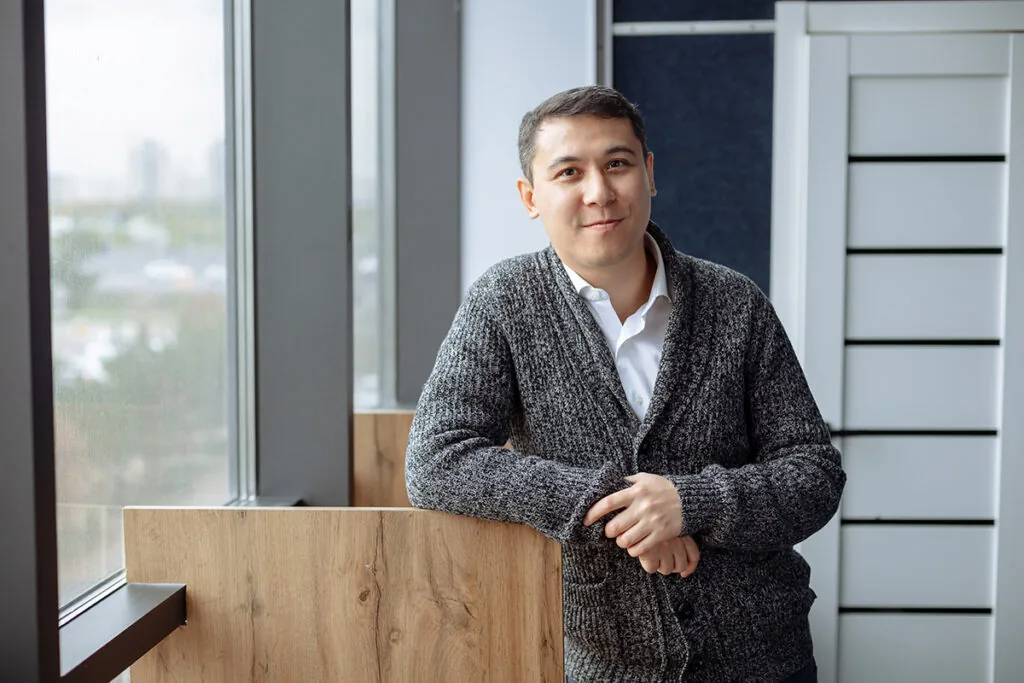
Chingiz Dauletbayev, CEO of TrustMe
TrustMe is a platform for signing contracts via SMS and smart contracts. We have raised a total of about $1.6 million. The platform serves three thousand companies, with 150,000 contracts signed monthly.
"Three investors promised—and didn't deliver"
In March 2021, I visited three people who definitely had money. Each said: "Great project, we want to invest $200,000 each, come back in a week." March, April, May passed—no money came.
My own funds from my previous business were running out. In September, I decided not to wait for large promises but to take less—but real money. I recorded a short video and sent it to 25 of the closest people with the condition: three days, minimum check $5,000, 4% of the company distributed based on applications. Out of 25 people, 6 invested—totaling $100,000 at a valuation of $2.5 million.
This money was enough to make the first sales and prove that the product works.
Conclusion: Do not wait for a large investor to "think." Start with those who know you and trust you. A small check from six people turned out to be more real than a big promise from three.
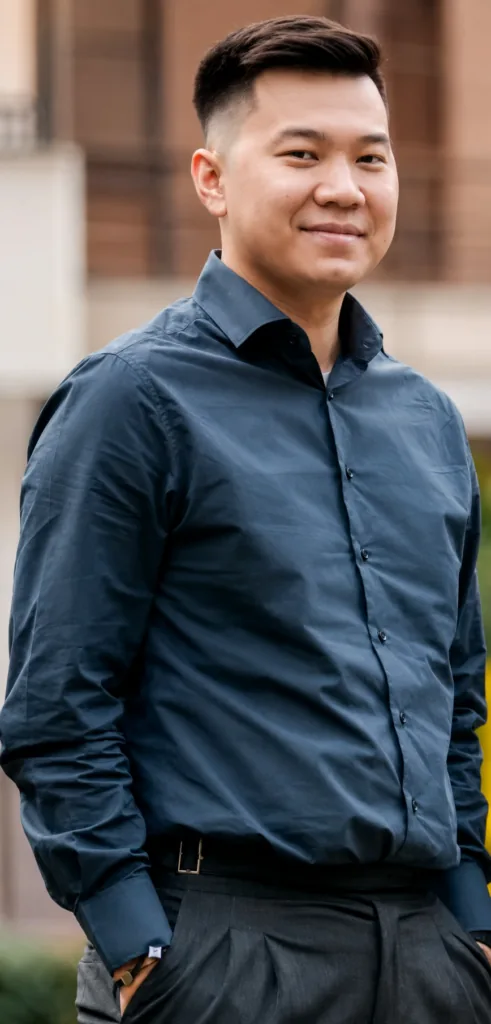
Madiyar Bakbergenov, co-founder of PanDev Metrics
PanDev Metrics is a B2B SaaS platform for digitalizing IT departments: it shows where the team is lagging, which features have been released, and which bug fixes have not been completed. We raised $400,000 at a valuation of $5 million.
"The pitch talked about the product, not the pain"
In the first weeks of fundraising, we held meetings one after another. All investors said "interesting," but no one gave money. There was no movement.
We couldn't understand the problem for a long time. Then we figured it out: we were talking about the product—about features, technologies, about how everything works inside. But not about what pain it relieves and what the client specifically gets out of it.
We removed unnecessary slides with features. We put one clear "before and after" scenario at the beginning of the pitch—with specific numbers: how much time the company was losing, how much it started saving after implementation. We immediately showed value, not just a product description.
After that, investors started moving.
"Three months without salary—and it wasn't a strategy"
While fundraising was ongoing, the entire team worked without pay. We didn't plan to do this—money just ran out, and the round wasn't closed yet. For three months, we slept two to three hours a day, simultaneously raising investments and selling to new clients to show traction.
Fundraising is a full-time job for at least three to six months. Combining it with operations is almost impossible. Roles must be divided in advance: one founder goes to investors, the other maintains the product and sales.
The Tech on Telegram Follow The Tech on Telegram
Keep up with the latest technology and startup news.
Related reading




More from this author

Article Useful
How to protect your accounts from hacking: 8 settings you should check today
The Tech

Article Useful
500 Global: How the Accelerator Works and Who Can Receive Investments
The Tech

Article Interviews
Game Development in Central Asia: Arkady Moldavski on Developing Reverb and the Growth of the Industry
The Tech

Article Useful
Google, Tesla, BlackRock, and the IMF: Where to Apply for an Internship in Fall 2026
The Tech

News IT
Tesla unveiled the flying electric car Roadster
The Tech

News IT
Intero Biosystems startup won the Startup Battlefield at TechCrunch Disrupt 2026
The Tech