CyberNet AI: How AI Operators That Speak Uzbek Work
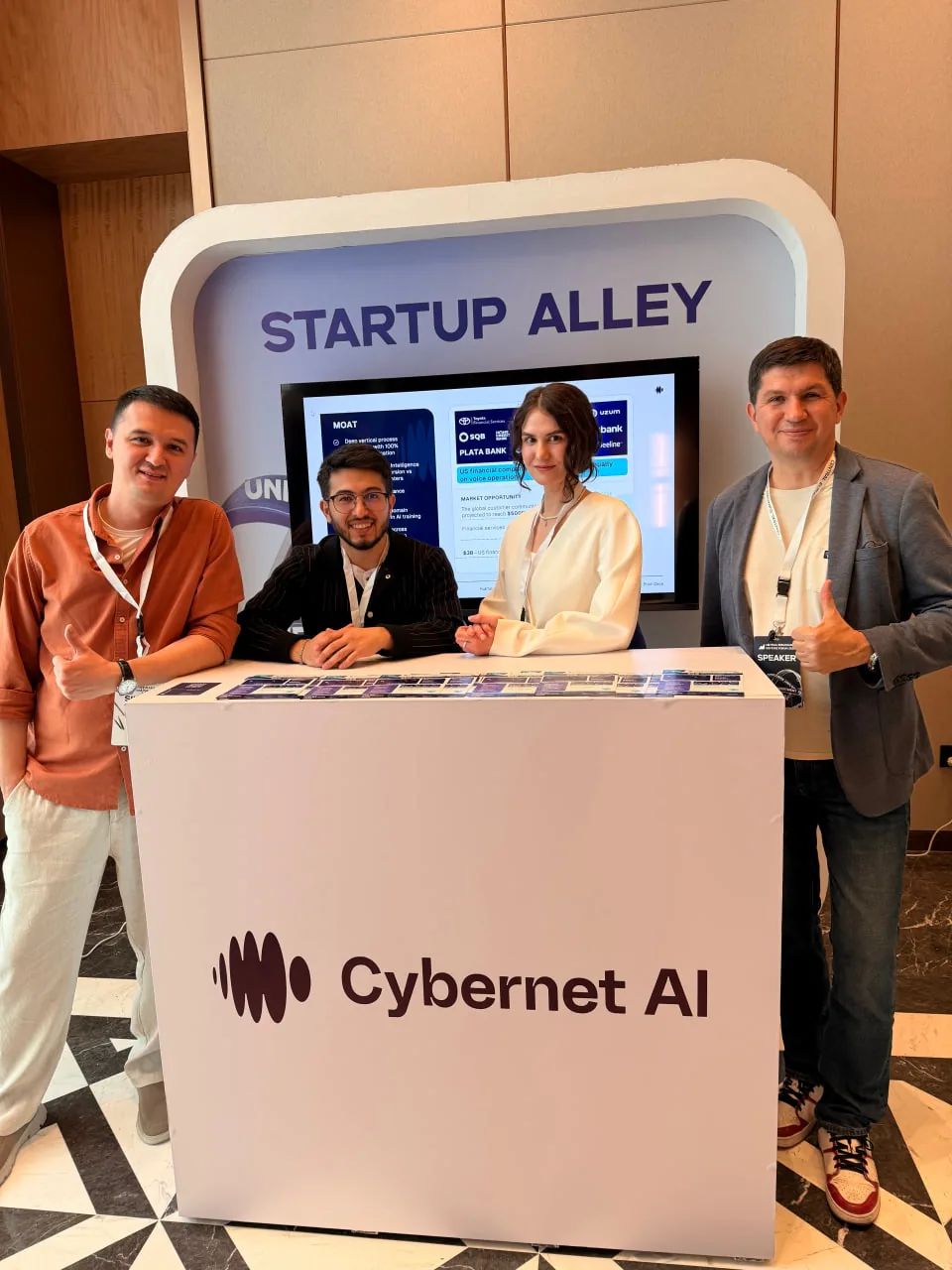
Together with IT Park Uzbekistan, we are beginning to tell the story of startups that are shaping the country’s new technological ecosystem. In this episode — CyberNet AI, a company creating voice AI operators capable of working in Uzbek and Russian and automating processes in modern call centers.
Sardor Khoshimov, city — Tashkent, CEO of CyberNet AI in Uzbekistan
About CyberNet AI
CyberNet AI is a startup that develops voice AI agents with a high level of security. We primarily offer solutions for contact centers in the banking sector, retail, and telecom industry.
The main task of the project is to automate communication with customers. Simply put, CyberNet AI’s AI agents can communicate in Uzbek and Russian like call center operators: understanding the customer’s problem and offering a suitable solution. One of the key factors for business is cost reduction — such a solution allows reducing call center costs by up to five times.
We have fully developed the CyberNet AI platform and technology in-house and do not use ready-made foreign solutions. Our product can be deployed either on servers in Uzbekistan or on the client’s own infrastructure. This ensures that data is processed in a local environment, providing a high level of control and security.

How the product works
Today, CyberNet AI offers three types of products.
The first product is ML robots. These are AI agents that operate based on scenarios. They follow a pre-set script and continue the dialogue depending on the customer’s questions or answers. Such robots not only converse but also record the customer’s responses and can convert speech into text format.
The second product is a generative AI agent. This solution does not require a separate scenario. A prompt is entered into the platform: what tone to use, how to respond, and what data to rely on. After that, the AI agent independently formulates a response depending on the customer’s question.
The third product is aimed at analyzing calls received by call centers. After uploading calls to the platform, you can get a full analysis. This helps identify errors in operators’ work, deviations from the script, quality of communication with the customer, and other important details.
We are also developing the generative AI direction and have created our own language model from scratch, without using ready-made foreign solutions.
How the model was trained
Creating a local language model was the most difficult and lengthy stage of our work. It took about six months to develop the first prototype, and at least another year and a half was required to improve quality. In total, we worked on the model for about four years so that it could understand Uzbek speech, communicate freely with customers, and provide high-quality answers.
A separate challenge was training the model in the Uzbek language. The main problem was the lack of high-quality datasets. Moreover, in everyday life, people rarely speak exclusively in literary Uzbek. Speech often involves mixing with Russian, using regional dialects, and even the Karakalpak language. All this significantly complicated the training process.
To create the model, we used data in several Turkic languages, including Uzbek, Kazakh, and Kyrgyz. At the same time, the model was trained on real business communications, so it understands the specifics of the local market and the tasks of regional companies well.
How AI operators work in business
Our AI agents can not only answer customer questions but also analyze their emotional state. If a customer becomes irritated, raises their voice, or displays other emotions during a conversation, the system records and analyzes these signals. When integrated with a call center, all communications can be tracked and analyzed in real time.
We also integrate the platform with SMS, chats, mobile apps, websites, and ticketing systems. This allows us to analyze not only calls but also text communications.
At the same time, our goal is not to replace people. We want to free operators from routine tasks and give them the opportunity to focus on more complex cases. For example, if it is necessary to call hundreds of thousands of customers, AI agents can perform this work simultaneously and on a large scale.
In one project for a telecom company, AI agents showed a higher conversion rate when selling additional services: while operators achieved 10-11%, AI agents reached 14-15%.
To achieve such results, we carefully study each project. We analyze the product, processes, and calls of the best operators. Then we train AI agents to use the most effective communication and sales techniques.
Data and infrastructure
One of the important features of CyberNet AI is the ability to process data within Uzbekistan.
The company can work on a SaaS model or install the solution on the client’s own servers. In both cases, data can be processed without being transferred outside the country. But this does not limit the capabilities of AI operators; on the contrary, it helps improve the quality and speed of conversation. When working with foreign models, delays may occur during the question-answer process. In voice communication, such pauses are noticeable to the customer and reduce the naturalness of the dialogue.
This is why CyberNet AI pays special attention to the technology’s operation on local servers. This is important not only from a security perspective but also for the quality of real-time communication. The company hosts its IT infrastructure on custom cloud servers provided by Servercore in Tashkent, which allows ensuring a high level of service for clients, as well as accelerating product development through flexible scalability.
About difficulties
One of the most serious challenges was creating high-quality voice AI for the Uzbek language. At the time of launch, there were practically no necessary datasets and ready-made technological solutions on the market, so we had to develop a significant part of the technology ourselves.
An equally important challenge was gaining the trust of major banks and financial organizations. A few years ago, the use of artificial intelligence in customer communications was viewed with caution, so we had to prove the effectiveness of the technology through pilot projects, real business metrics, and client results.
The main advice for beginner startups is to get to the market as early as possible and communicate with customers. Do not strive to create a perfect product from day one, but regularly test hypotheses, receive feedback, and quickly adapt to user needs.
Incubation programs
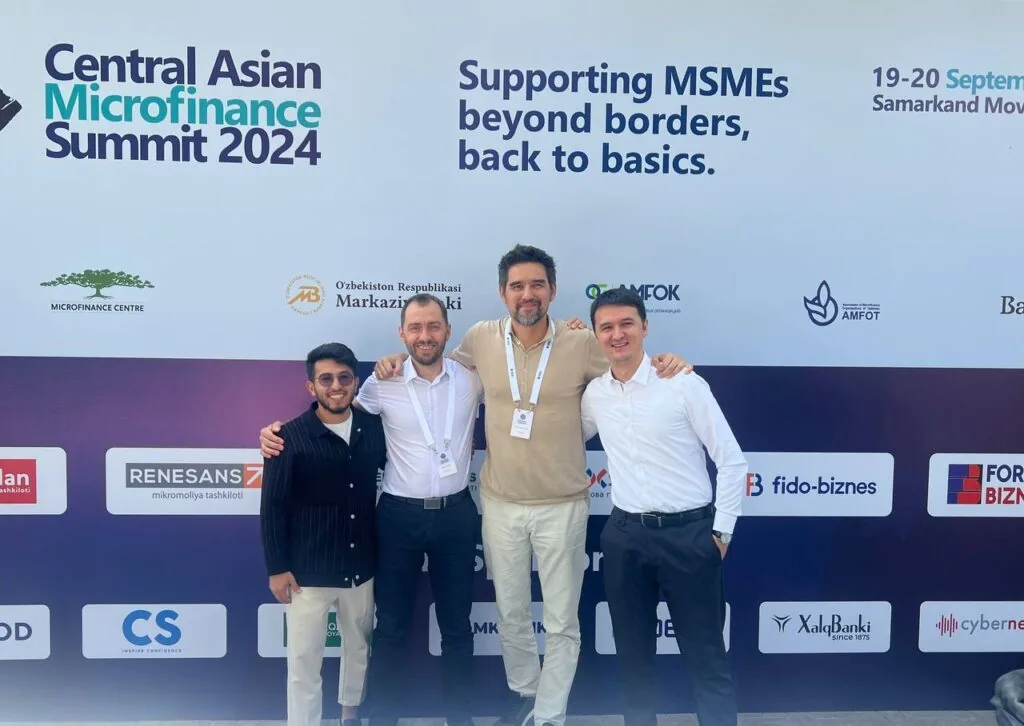
Cybernet AI participated in international acceleration programs Plug and Play and Alchemist Accelerator — two of the leading programs for technological B2B startups in the world. Participation in them gave us access to international expertise, a strong mentoring community, and best practices for building and scaling technology companies.
The programs helped us better understand the needs of corporate clients, strengthen our product approach, and build a more systematic work with international markets.
In the early stages, the company developed through the founders’ own funds. This approach allowed us to maintain a high decision-making speed, focus on the product, and build the business based on customer needs.

Achievements
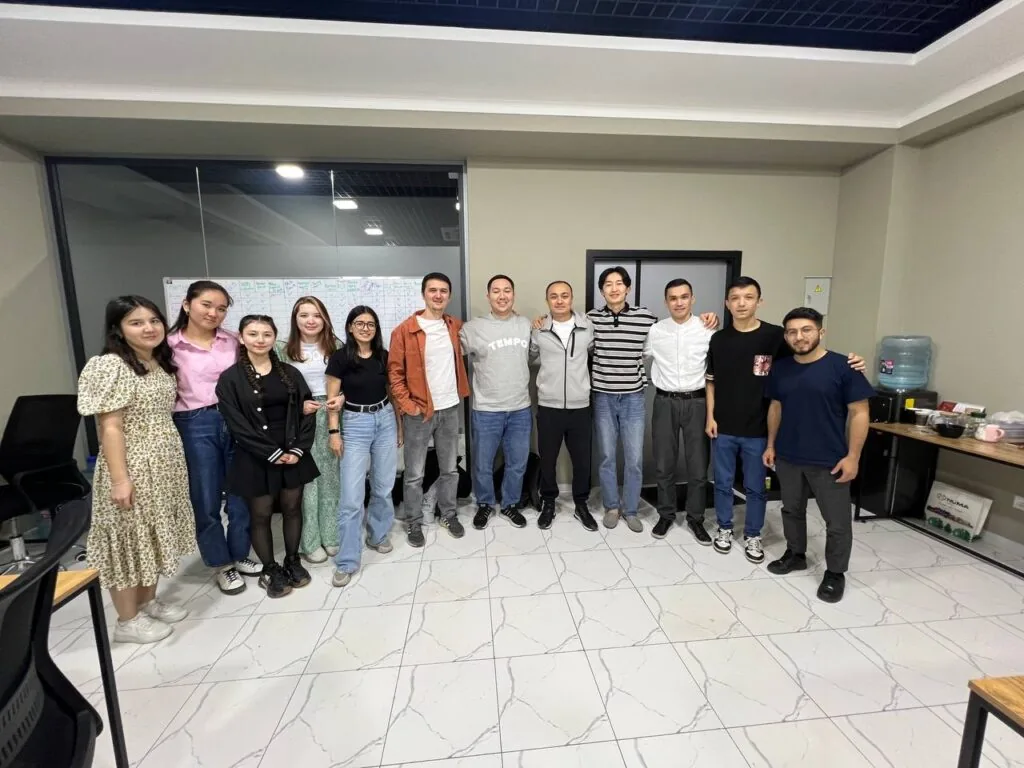
Over several years, Cybernet AI has transformed from a small team into one of the market leaders in voice AI in Uzbekistan.
Among the key achievements:
— implementation of solutions in the largest banks, microfinance organizations, FinTech companies, and government organizations
— development of proprietary speech recognition and synthesis technology for the Uzbek language
— participation in international acceleration programs and development of partnerships beyond the region
— implemented projects that help clients increase efficiency in collections, sales, and customer service
— formation of a strong team of specialists in artificial intelligence, development, and product management.
Plans
We continue to invest in the development of conversational artificial intelligence and next-generation voice technologies.
In the near future, we are focusing on the development of generative voice agents, expanding the platform’s capabilities, and entering new markets.
Our strategic goal is to create AI solutions that help companies automate customer communications, improve business process efficiency, and ensure a high level of user experience.
The Tech on Telegram Follow The Tech on Telegram
Keep up with the latest technology and startup news.
Related reading



More from this author

Article Useful
How to protect your accounts from hacking: 8 settings you should check today
The Tech

Article Useful
500 Global: How the Accelerator Works and Who Can Receive Investments
The Tech

Article Interviews
Game Development in Central Asia: Arkady Moldavski on Developing Reverb and the Growth of the Industry
The Tech

Article Useful
Google, Tesla, BlackRock, and the IMF: Where to Apply for an Internship in Fall 2026
The Tech

News IT
Tesla unveiled the flying electric car Roadster
The Tech

News IT
Intero Biosystems startup won the Startup Battlefield at TechCrunch Disrupt 2026
The Tech