What is a SAFE and how do startups attract investment?
Startups need money to develop their product, hire a team, and enter new markets. But at an early stage, it can be difficult to assess the company's valuation and agree on investment terms. One way to attract funding is through a SAFE, an agreement under which an investor puts in money now and receives equity in the company later.
The Tech AI
Get the key points in seconds - a short summary from The Tech AI.
SAFE (Simple Agreement for Future Equity) — an agreement for future equity, developed by Y Combinator in 2013 to simplify early-stage investments. Investors provide funds without interest or repayment deadlines, receiving the right to shares in the next funding round. The terms include a valuation cap, discount, post-money valuation, and MFN (Most Favored Nation), with investors bearing the risk of losing their investment and founders bearing the risk of dilution.
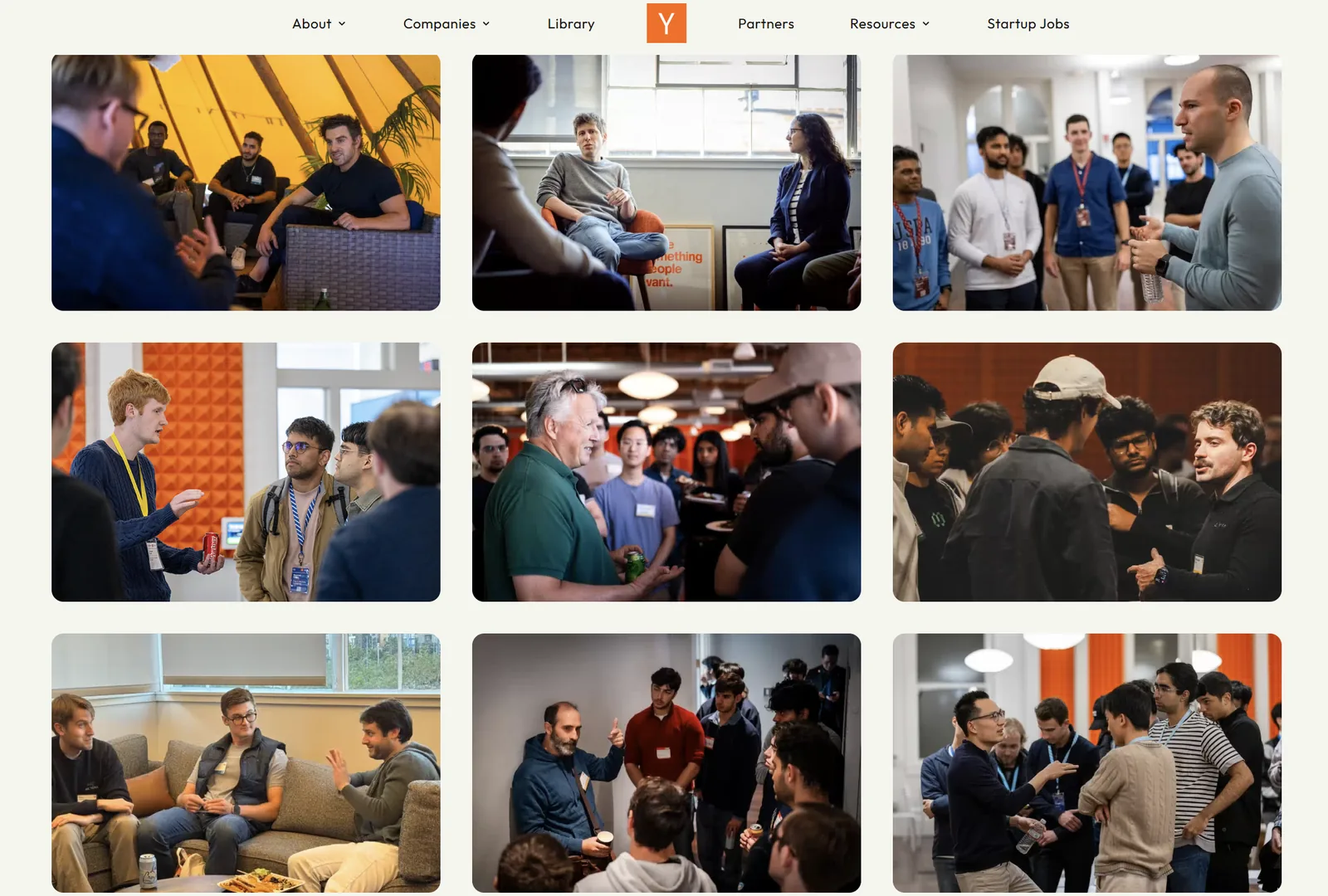
SAFE stands for Simple Agreement for Future Equity — an agreement for future equity in a company. It was developed by the accelerator Y Combinator in 2013. The document is designed to simplify fundraising for startups in their early stages.
How SAFE Works
An investor provides funds to a startup but does not receive shares immediately. Instead, they acquire the right to a future equity stake. Typically, a SAFE converts into shares when the company conducts a priced equity financing round.
For example, a startup raises $100,000 via a SAFE. Later, the company moves to the next round and receives investment from new investors. The terms of the SAFE determine the price at which the initial investment converts into shares and the number of shares the early investor will receive.
Unlike a standard loan, a SAFE typically does not accrue interest or require repayment by a specific date. However, the investor assumes the risk of losing their investment, while founders assume the risk of dilution of their ownership stake.
Key Terms to Know
There are several concepts in a SAFE that affect the investor's future equity stake.
Valuation Cap — Maximum Company Valuation. This is the maximum valuation used to calculate the share price upon SAFE conversion. If the startup's valuation exceeds the cap by the next round, the early investor can receive shares at a lower calculated price.
Discount — Discount Rate. This allows an early investor to purchase shares at a lower price than new investors in the subsequent round. For example, with a 20% discount, the share price for the SAFE holder will be 20% lower than the price set for new investors.
Post-money SAFE — Agreement with Post-Money Valuation. This format helps determine in advance what portion of the startup the investor will receive under these agreements. Y Combinator has used post-money SAFE as the standard format since 2018.
MFN — Most Favored Nation. This clause allows an investor to receive more favorable terms if the startup later enters into other SAFE agreements. A SAFE with an MFN clause can be used without a valuation cap or discount, but the specific implications depend on the terms of the document.
Not all these provisions are necessarily present in a single agreement. The terms depend on the chosen SAFE format and the agreements between the parties.
You can calculate the potential equity stake using the Y Combinator SAFE Calculator.
Why Startups Choose SAFE
The main advantage of a SAFE is simplicity. Such an agreement is usually easier to negotiate than a full-fledged investment agreement. The startup also does not need to determine the exact company valuation immediately.
Y Combinator provides standard SAFE forms for free. This helps founders prepare for investor negotiations and close deals faster.
What Are the Risks?
While a SAFE simplifies fundraising, it can lead to a reduction in the founders' equity stake. If a startup enters into multiple such agreements, their cumulative effect can be significant.
Furthermore, a SAFE does not guarantee that the company will raise the next round or that the investor will recover their invested funds. Y Combinator's standard forms are also not automatically suitable for every country. Startups from Central Asia should verify the legal terms in accordance with the legislation of their country of registration.
Before signing the agreement, it is advisable to review the official Y Combinator guide to SAFE and consult with a lawyer specializing in venture capital investments.
The Tech on Telegram Follow The Tech on Telegram
Keep up with the latest technology and startup news.
Related reading




More from this author

Article Useful
How to protect your accounts from hacking: 8 settings you should check today
The Tech

Article Useful
500 Global: How the Accelerator Works and Who Can Receive Investments
The Tech

Article Interviews
Game Development in Central Asia: Arkady Moldavski on Developing Reverb and the Growth of the Industry
The Tech

Article Useful
Google, Tesla, BlackRock, and the IMF: Where to Apply for an Internship in Fall 2026
The Tech

News IT
Tesla unveiled the flying electric car Roadster
The Tech

News IT
Intero Biosystems startup won the Startup Battlefield at TechCrunch Disrupt 2026
The Tech