5 robotics trends that will change the market in 2026
The International Federation of Robotics has published its annual forecast for the industry. According to the organization's assessment, the global market for industrial robots reached a historical high of $16.7 billion, and future growth will be driven by several key factors — technological, market-related, and structural. IFR has identified trends that, in its view, will shape the direction of robotics development in 2026.
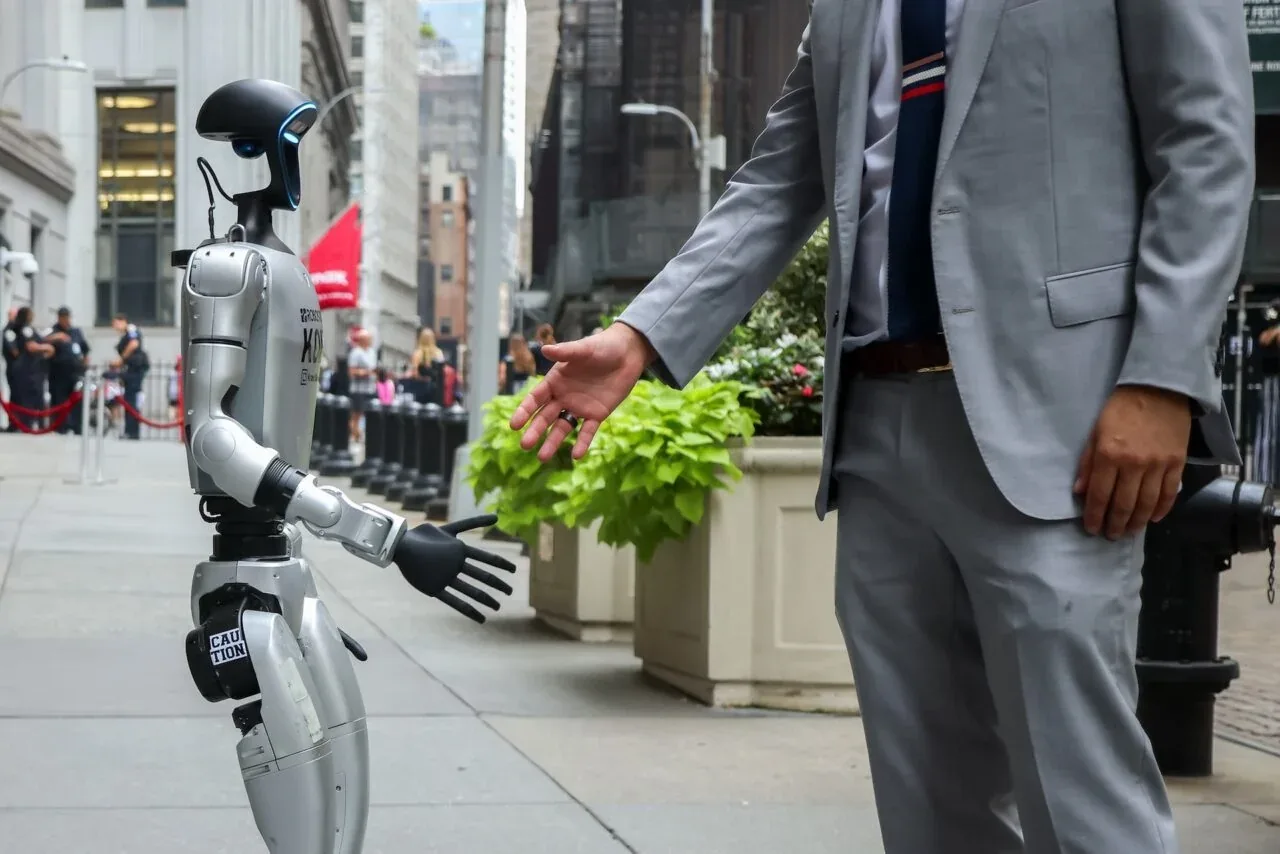
1. AI and Autonomy
AI-based robots are becoming increasingly common. Analytical AI helps process large volumes of data, recognize patterns, and make decisions—for example, predicting equipment failures in manufacturing in advance or optimizing routes in logistics. Generative AI marks the transition from rule-based systems to self-learning ones: robots can independently master new tasks and generate training data through simulation, while communication with them becomes possible in natural language. The next level is agentic AI, which combines both approaches and aims to enable robots to operate autonomously in complex real-world conditions.
2. Convergence of IT and OT
The demand for multifunctional robots is growing alongside the convergence of information technology (IT) and operational technology (OT). Combining the computational power of IT with the physical capabilities of OT enables real-time data exchange and advanced analytics. This breaks down traditional barriers between the digital and physical worlds and forms the foundation of the Industry 4.0 concept.
3. Humanoids Must Prove Their Reliability
The humanoid robotics market is expanding rapidly. Humanoid robots are primarily considered for use in environments originally designed for humans—such as warehouses and production lines. The automotive industry is a pioneer in this area. The main challenge today is moving from prototypes to real-world implementations: to compete with traditional automation, humanoids must meet strict industrial requirements for cycle speed, energy consumption, and maintenance costs, as well as achieve human-level dexterity and productivity.
4. Safety and Cybersecurity
As robots increasingly work side by side with humans, AI-driven autonomy fundamentally changes the safety landscape: testing, validation, and human oversight are becoming both more complex and more essential. Connecting robotic systems to the cloud opens new vectors for cyberattacks—an increase in the number of breaches of controllers and cloud platforms has been recorded. At the same time, concerns are growing over the data collected by robots: video, audio, and sensor streams. Legal and ethical uncertainty regarding liability is driving the development of clear regulatory frameworks.
5. Robots as a Response to Labor Shortages
Employers worldwide are experiencing a severe shortage of skilled workers: unfilled vacancies overload existing staff. Robotics is becoming one of the key tools for addressing this problem. However, the International Federation of Robotics (IFR) emphasizes that the success of this transformation largely depends on how involved workers are in the robot implementation process. Robots that take over routine tasks and open up new career paths are perceived as allies rather than threats. Companies and governments are actively investing in retraining programs to help people adapt to the automated economy.
The Tech on Telegram Follow The Tech on Telegram
Keep up with the latest technology and startup news.
Related reading




More from this author

Article Useful
How to protect your accounts from hacking: 8 settings you should check today
The Tech

Article Useful
500 Global: How the Accelerator Works and Who Can Receive Investments
The Tech

Article Interviews
Game Development in Central Asia: Arkady Moldavski on Developing Reverb and the Growth of the Industry
The Tech

Article Useful
Google, Tesla, BlackRock, and the IMF: Where to Apply for an Internship in Fall 2026
The Tech

News IT
Tesla unveiled the flying electric car Roadster
The Tech

News IT
Intero Biosystems startup won the Startup Battlefield at TechCrunch Disrupt 2026
The Tech