5 trends that are changing the gaming industry in 2026
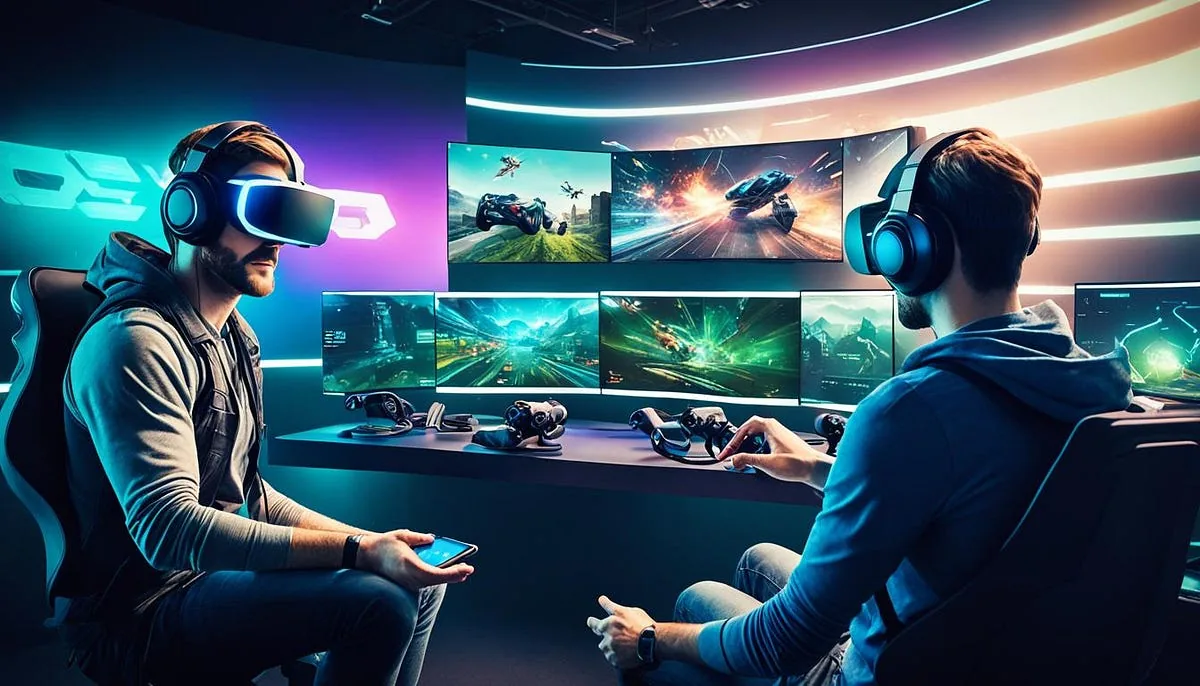
In 2026, the gaming industry continues to evolve under the influence of technology and new business models. These changes affect how games are created, distributed, and interacted with by players.
Below are five key trends currently shaping the industry.
Artificial Intelligence
Artificial intelligence is playing an increasingly important role in the game development process. It is used for content generation, including game worlds and environmental elements, as well as for optimizing workflows.
Additionally, AI is applied to adapt gameplay. Games can adjust difficulty levels and individual elements based on player behavior. This allows for a more personalized gaming experience.
The use of such technologies also helps studios reduce costs and accelerate development.
Growth of Cloud Gaming
Cloud gaming continues to expand its influence. This technology allows games to be played without the need for powerful hardware, as processing occurs on remote servers.
As a result, games become more accessible to a wider audience, including mobile device users and those with less powerful computers.
This also contributes to the development of subscription models, where users gain access to games through services rather than purchasing them individually.
Rise of VR and AR Technologies
Virtual and augmented reality continue to develop and gradually move beyond experimental technologies. Improvements in hardware, decreasing device costs, and advancements in technology make VR and AR more accessible to a broad audience.
These technologies are applied not only in games but also in other fields such as education, training simulators, and various types of simulations. The expansion of application areas increases the significance of VR and AR in the market and creates new opportunities for developers and users.
VR and AR are becoming an important part of the modern gaming industry, creating not only new gaming formats but also new directions for the use of digital technologies.
Changes in Monetization Models
Significant changes are occurring in monetization approaches within the gaming industry. Companies are increasingly adopting models that players perceive as fair, which enhances trust in the product.
Such models include subscriptions, battle passes, and cosmetic item purchases. These mechanics allow developers to generate revenue from the game without affecting its balance or creating advantages for paying players. The gameplay remains fair and equal for all users.
This approach helps companies build more sustainable relationships with their audience. Players better understand what they are paying for and remain engaged with the game for longer periods. In this context, monetization models become part of user retention strategies rather than just sources of short-term profit.
Use of Blockchain in Games
Blockchain is already being implemented in the gaming industry and is used to create systems for in-game item ownership. This technology allows players to truly own digital objects: they can buy, sell, or trade them with other users.
This approach creates new opportunities for in-game economies. Game items and resources begin to function as independent assets within games, opening up additional interaction scenarios between players and developers.
The use of blockchain in games provides developers with tools to build more complex economic systems, while giving players the ability to control and manage their in-game assets.
Source: gameindustry.com
The Tech on Telegram Follow The Tech on Telegram
Keep up with the latest technology and startup news.
Related reading




More from this author

Article Useful
How to protect your accounts from hacking: 8 settings you should check today
The Tech

Article Useful
500 Global: How the Accelerator Works and Who Can Receive Investments
The Tech

Article Interviews
Game Development in Central Asia: Arkady Moldavski on Developing Reverb and the Growth of the Industry
The Tech

Article Useful
Google, Tesla, BlackRock, and the IMF: Where to Apply for an Internship in Fall 2026
The Tech

News IT
Tesla unveiled the flying electric car Roadster
The Tech

News IT
Intero Biosystems startup won the Startup Battlefield at TechCrunch Disrupt 2026
The Tech