$36 billion vanished in 48 hours. The investor's story that changed the rules of Wall Street
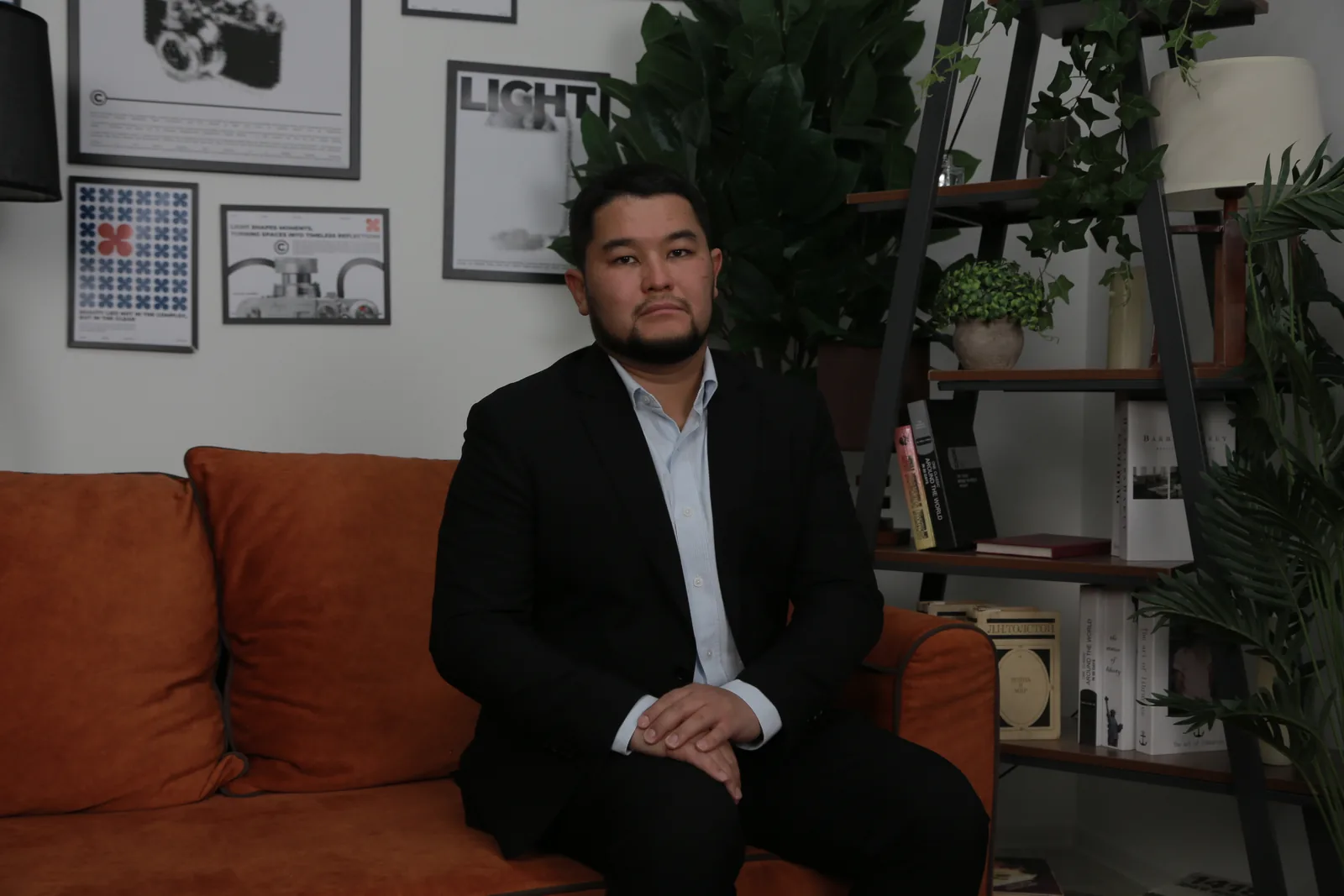
New author for The Tech — Talgat Kantaev, co-founder of Investbanq. In this article, he examines one of the most sensational stories in the world of finance — how investor Bill Hwan lost $36 billion in just 48 hours and why the collapse of Archegos changed the rules of Wall Street.
This is one of the most spectacular collapses in the modern history of financial markets. More details in the post.
Talgat Kantayev, city — Almaty, co-founder of Investbanq, Instagram
Most people spend their entire lives trying to earn a billion dollars.
Investor Bill Hwan managed to lose $36 billion in just two days.
How it happened
Bill Hwan was not a typical star of the financial world. He did not give loud interviews or build a media image of an investor. But in the financial industry, he was very well known.
He managed Archegos Capital, which was not a classic hedge fund but a family office. This is a structure that manages the money of a single wealthy investor.
The main feature of such companies is that they can disclose much less information than regular funds.
This allowed Hwan to make huge investments and remain virtually invisible to the market. He began building large positions in the stocks of companies such as ViacomCBS and Discovery. But he did it in an unusual way — through banks. Therefore, the market did not see that behind these purchases stood one person. At its peak, the scale of his investments was so large that his net worth exceeded the GDP of some small countries.
How the "Ghost" strategy worked
The key instrument was Total Return Swaps. It sounds complicated, but in essence, the scheme was quite simple.
- The bank buys real shares of companies.
- Archegos pays the bank a fixed percentage for the use of capital.
- If the shares rise — Archegos receives all the profit.
- If the shares fall — Archegos must compensate the bank for the difference.
An important point: the shares officially belonged to the banks, not to Hwan himself.
Because of this:
— his name did not appear in public reports
— the market did not see the real scale of his bets.
This allowed him to use enormous leverage — from 5 to 10 times. That is, in fact, he was making investments with money he did not have.
The house of cards began to collapse in March 2021. ViacomCBS shares started to fall. Banks saw the risk and demanded additional collateral for the deals — this is called a margin call. Simply put, the banks stated: "Prices are falling. We need more money to cover the risk."
But Hwan was unable to deposit the required amount. After that, banks began mass-selling shares to recover their money. Thus began one of the largest sell-offs in the market.
The consequences were immediate:
— about $10 billion was lost by banks
— more than $100 billion in market capitalization of companies disappeared in a week
— one of the largest banks, Credit Suisse, incurred huge losses and was later acquired by UBS.
It all ended in 2024 when Bill Hwan was found guilty of fraud and market manipulation. The court sentenced him to 18 years in prison. The judge then said a phrase that perfectly describes this story: "The scale of the fraud is staggering. But the audacity of the lie is even more shocking."
Even now, in 2026, the Archegos story remains one of the most discussed in the world of finance.
The Archegos story is a reminder of a simple thing. Leverage amplifies not only profits but also mistakes. And when the stakes become too large, sometimes it takes just two days to destroy a fortune worth tens of billions of dollars.
The Tech on Telegram Follow The Tech on Telegram
Keep up with the latest technology and startup news.
Related reading




More from this author

Article Useful
How to protect your accounts from hacking: 8 settings you should check today
The Tech

Article Useful
500 Global: How the Accelerator Works and Who Can Receive Investments
The Tech

Article Interviews
Game Development in Central Asia: Arkady Moldavski on Developing Reverb and the Growth of the Industry
The Tech

Article Useful
Google, Tesla, BlackRock, and the IMF: Where to Apply for an Internship in Fall 2026
The Tech

News IT
Tesla unveiled the flying electric car Roadster
The Tech

News IT
Intero Biosystems startup won the Startup Battlefield at TechCrunch Disrupt 2026
The Tech