The Tech AI
Get the key points in seconds - a short summary from The Tech AI.
Historian Rich Whitehouse and developer Dylan Mansfield, along with programmer Kenneth Herlihy, have recreated the game Nuclear Rush for the Sega Genesis VR headset. The emulator runs on the HTC Vive Cosmos, preserving the original HUD and 2D objects in a 3D space. The project was canceled in 1993 due to the low screen refresh rate (30 Hz), which caused dizziness and nausea in players. Access to the emulator is available on GitHub.
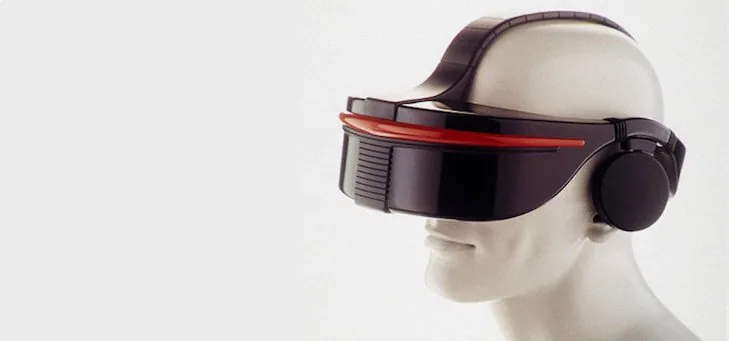
In the early '90s, Sega had grand plans for virtual reality. It wanted to integrate VR headset technology into its Genesis consoles. That idea remained unrealized, and sketches and concepts were shelved for better times. Until today.Nuclear Rush is a game made specifically for a virtual reality project. It was revived by historian Rich Whitehouse from the Video Game History Foundation and developer Dylan Mansfield from Gaming Alexandria. Mansfield brought in another programmer, Kenneth Herli, who found a compact disc with the game. This marked the beginning of the project to create an emulated version of the once-lost game. Now, it can be played on modern VR headsets like the HTC Vive Cosmos.From this video, it's clear that the game retained its original appearance: a bulky HUD, 2D objects in a 3D space, and jerky movements.Despite the game's simple look, getting it to work was not easy. In the video, Whitehouse details the process of debugging the code, running numerous tests, and cleaning up the ancient language. The team was greatly helped by hints in the code from former developers, which referred to drivers needed to run the game. Thus, they were able to create an emulator that successfully launches the game on the Vive. Now, these VR headsets fully replicate their conceptual predecessor, except for their physical appearance.What happened to the original?Sega did not hide its developments at all. In 1993, the company presented the project at the Consumer Electronics Show.Despite the bold claims, by 2004, the Sega-16 website confirmed the cancellation of the project due to safety concerns for players. Enthusiasts' reports called the game and immersion "too realistic." In reality, it was clear that this PR move was made to cover up the adverse effects the headsets had on people: dizziness, headaches, and nausea.Sega VR had a screen refresh rate of 30 Hz, which is quite low. The refresh rate determines how well the movements on the screen match your own. If what's inside the headset lags behind your movements, you'll feel very sick. For comparison, the Oculus Rift 2 and Vive Cosmos have a screen refresh rate of 90 Hz.In the end, Sega VR was far ahead of its time. Technologies to support the headsets simply did not exist, so the Japanese abandoned the revolutionary idea.Thanks to today's researchers of the past, anyone can download the emulator and Nuclear Rush from GitHub.
The Tech on Telegram Follow The Tech on Telegram
Keep up with the latest technology and startup news.






