OpenAI is intensifying its focus on audio and making voice the key AI interface

The Tech AI
Get the key points in seconds - a short summary from The Tech AI.
In early 2026, OpenAI will introduce a new audio model for natural conversations, treating audio as an independent platform. The company is also exploring the development of screenless devices with voice control, by combining its research and engineering teams. This move reflects a strategy to reduce reliance on screens and aligns with Silicon Valley's trend toward alternative interfaces.
OpenAI is intensifying its focus on audio technologies, making voice a key way to interact with artificial intelligence.
In early 2026, OpenAI plans to introduce a new audio model capable of more natural conversations. It will better understand intonations, pauses, and interruptions, and support dialogue that closely resembles live human communication. Audio is viewed not as an additional feature, but as a standalone platform.
At the same time, OpenAI is exploring the possibility of creating screenless devices—from smart speakers to other form factors focused on voice control. Such solutions should reduce users' dependence on screens and make technology less intrusive in everyday life.
The development of the audio direction has become part of a broader company strategy, under which research, product, and engineering teams were united to work on voice interfaces. At OpenAI, they believe that audio will become the foundation of the next stage of human-AI interaction.
The trend reflects the general mood in Silicon Valley, where more and more companies are looking for alternatives to screens and experimenting with voice and contextual interfaces.
Source: TechCrunch
The Tech on Telegram Follow The Tech on Telegram
Keep up with the latest technology and startup news.
Related reading
More from this author

The launch of Global Tech Weekend 2027 will take place in Tbilisi.
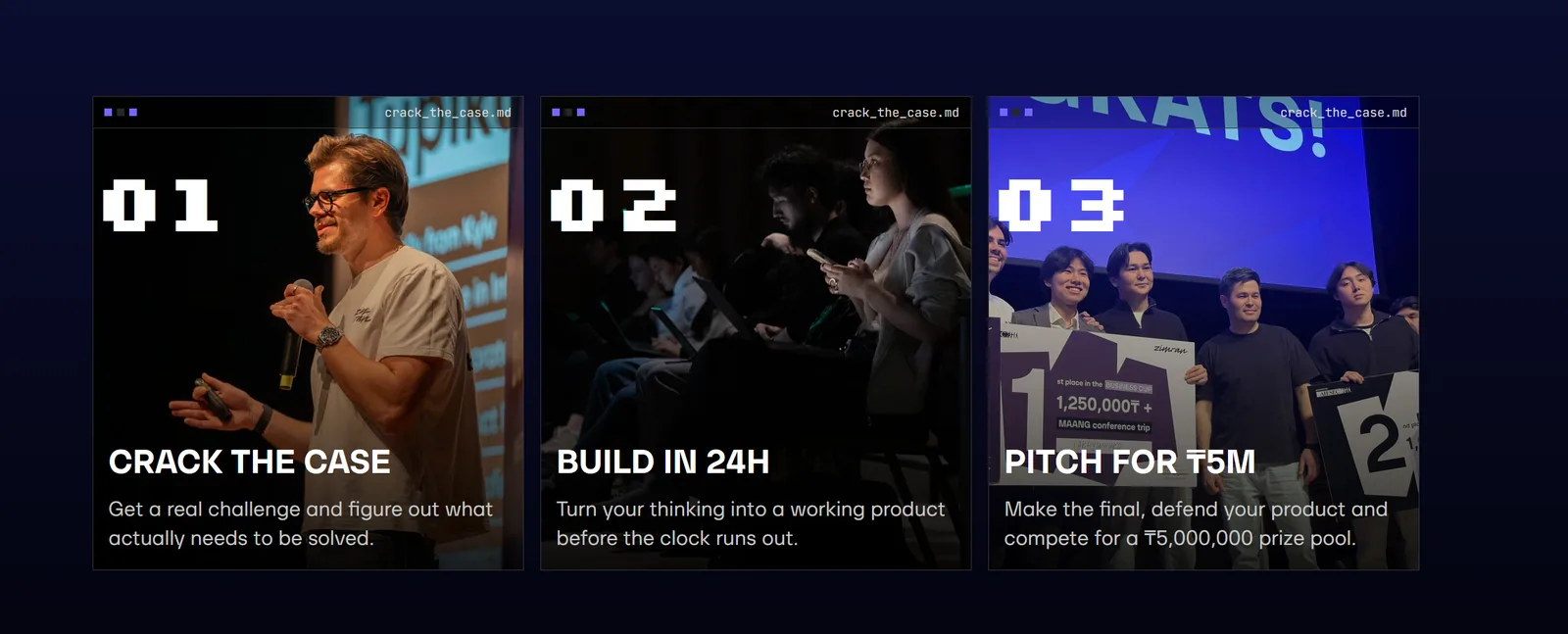
Business Cup, NASA Space Apps, and Startup Week: Opportunities for Startups in November 2026
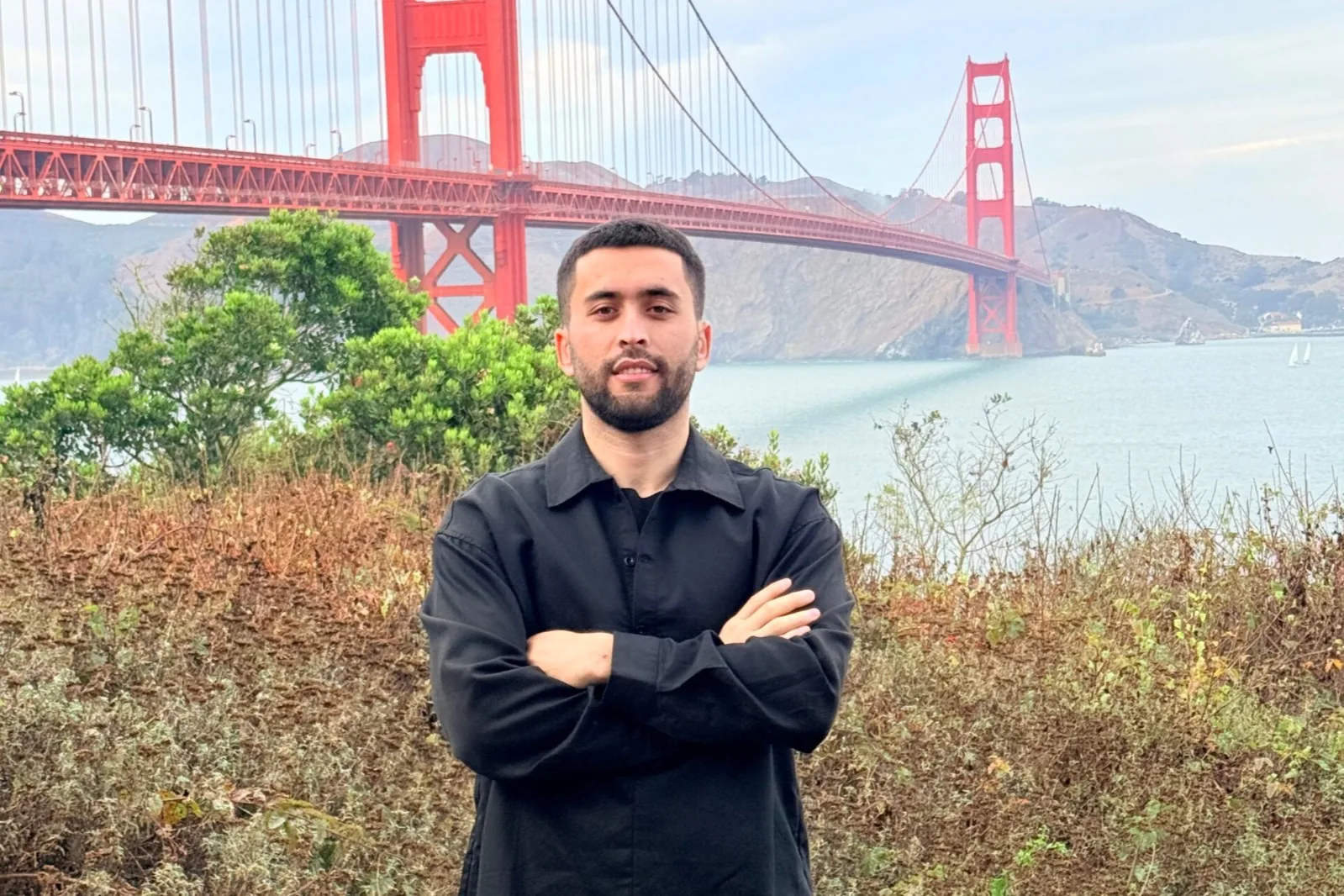
How a guy from Kashkadarya created an IT startup and attracted $40,000 in investments