Natali Nahai on how AI affects our decisions and thinking
At the BE WOMAN ASIA forum, expert and book author Natalie Nahai delivered a report on the impact of artificial intelligence on human autonomy, critical thinking, and interpersonal relationships. She explained why we increasingly delegate our decisions to neural networks and why it is important to preserve human experience and freedom of choice as technology develops.

The Tech AI
Get the key points in seconds - a short summary from The Tech AI.
Expert Natalie Nahai notes that 47% of British youth (aged 16–21) would like to live without the internet. She warns of the risks of AI: fabricated data in Google’s responses, amplified biases, and excessive approval from models. Nahai emphasizes the importance of human experience and empathy, which algorithms lack, urging people to maintain independence and critical thinking.
Nathalie Nahai, world-leading expert in social media behavioral psychology, author of the international bestseller WEBS OF INFLUENCE, consultant to Google, UNILEVER, and Harvard Business Review, LinkedIn
Freedom of choice in the digital world
Over the past year, we have frequently seen headlines about companies replacing employees with artificial intelligence and about how AI chatbots can harm young people. But another phenomenon has caught my attention. In the UK, more than 1,300 young people aged 16 to 21 were asked about their attitudes toward the internet and social media. 47% of respondents stated that they would prefer to grow up without the internet and were willing to give up Uber, Spotify, Uber Eats, streaming services, and YouTube.
I see this reflected in consumer behavior: young people are buying button phones, vinyl records, and used iPods. I link this trend to the desire to reclaim autonomy—the ability to manage one’s own life, make decisions aligned with one’s values, and influence the surrounding world.
The problem is that many modern technologies are gradually limiting this possibility. We increasingly delegate information search and decision-making to chatbots, and our choices begin to depend on the interests of the companies that create digital platforms. For example, instead of a list of websites, Google increasingly offers AI-generated answers. In my experience, some sources cited in such answers have turned out to be fabricated. Social media algorithms also determine what content we see and influence our perceptions and decisions.
Autonomy is important not only for freedom of choice. When we have more control over our own lives, we exhibit greater creativity, maintain intrinsic motivation, achieve goals more easily, and feel better.
How AI is changing our thinking
I use AI in my work myself: I apply it for preparing photo shoots and refining musical recordings. But I understand that these tools have limitations. Once, a user asked Gemini how to clean a rescued pigeon, and the system suggested removing the bird’s head, wings, and legs. This example shows why we cannot take neural network answers at face value, even as technologies become more sophisticated.
There are other risks. Earlier this year, Harvard Business Review published an article on how improper use of AI can increase workload. People accept generated results without thorough verification, rely on them instead of their own intuition, and spend less time thinking through decisions. This also increases the risk of reproducing biases present in training data. For example, a language model might recommend more aggressive investment strategies to a user it perceives as male, whereas a woman with the same willingness to take risks might receive different and less suitable advice.
Another limitation is the tendency of neural networks toward excessive approval. Recently, I asked Claude to help prepare a presentation on the threats of artificial intelligence, and it called the topic timely and important. But in the UK, we are also facing droughts and food security issues, so I am not sure that my topic is necessarily more important than others. The model was trying to win me over. Such behavior can help platforms retain user attention, and in some cases, excessive attachment to AI raises serious concerns.
Finally, artificial intelligence lacks physical experience. It can describe the sensations of riding a bicycle, but it has never experienced balance, muscle movement, or physical strain. Its answers are based on others’ descriptions, not on personal experience. Language describes reality but does not replace it, so it is important to distinguish between information about human experience and the experience itself.

Why human experience matters
If we rely too heavily on generative AI, the results of our work may become monotonous. Earlier this year, I noticed that many football teams chose pink boots, whereas Messi’s boots were in blue and white colors. Perhaps the teams were guided by the same data and trend forecasts, choosing similar solutions instead of original ideas.
But people need more than content and answers created by AI. We want to feel understood. To achieve this, we must develop empathy, which manifests in three forms. Cognitive empathy helps us understand another person’s perspective, emotional empathy allows us to recognize and share their feelings, and somatic empathy is expressed through physical reactions to others’ emotions.
Humans are capable of developing all three forms of empathy, whereas AI can only mimic their manifestations. Moreover, due to the nature of digital platforms, we tend to perceive chatbots as personalities, form emotional closeness with them, and even build something resembling relationships.
I remember the festivals and concerts I attended as a child, and the emotions I felt in those moments. Today, young people increasingly interact with the world through screens. It is important for us not to forget what it means to be human: to live, feel, love, create, laugh, and experience loss.
What we risk losing in the AI era
We have the opportunity to influence the world around us and sustain life on our planet. When we design, create, and regulate technologies, we must not allow them to control our civilization and destroy the ecological system of which we are a part.
Therefore, I suggest starting with simple questions: what do we truly love, where do we find meaning, and what brings us joy? It is from our own values that we should start when deciding how to use and develop technologies. Artificial intelligence can expand our capabilities, but it should not deprive us of autonomy, critical thinking, and the ability to create something truly our own.
The Tech on Telegram Follow The Tech on Telegram
Keep up with the latest technology and startup news.
Related reading

More from this author
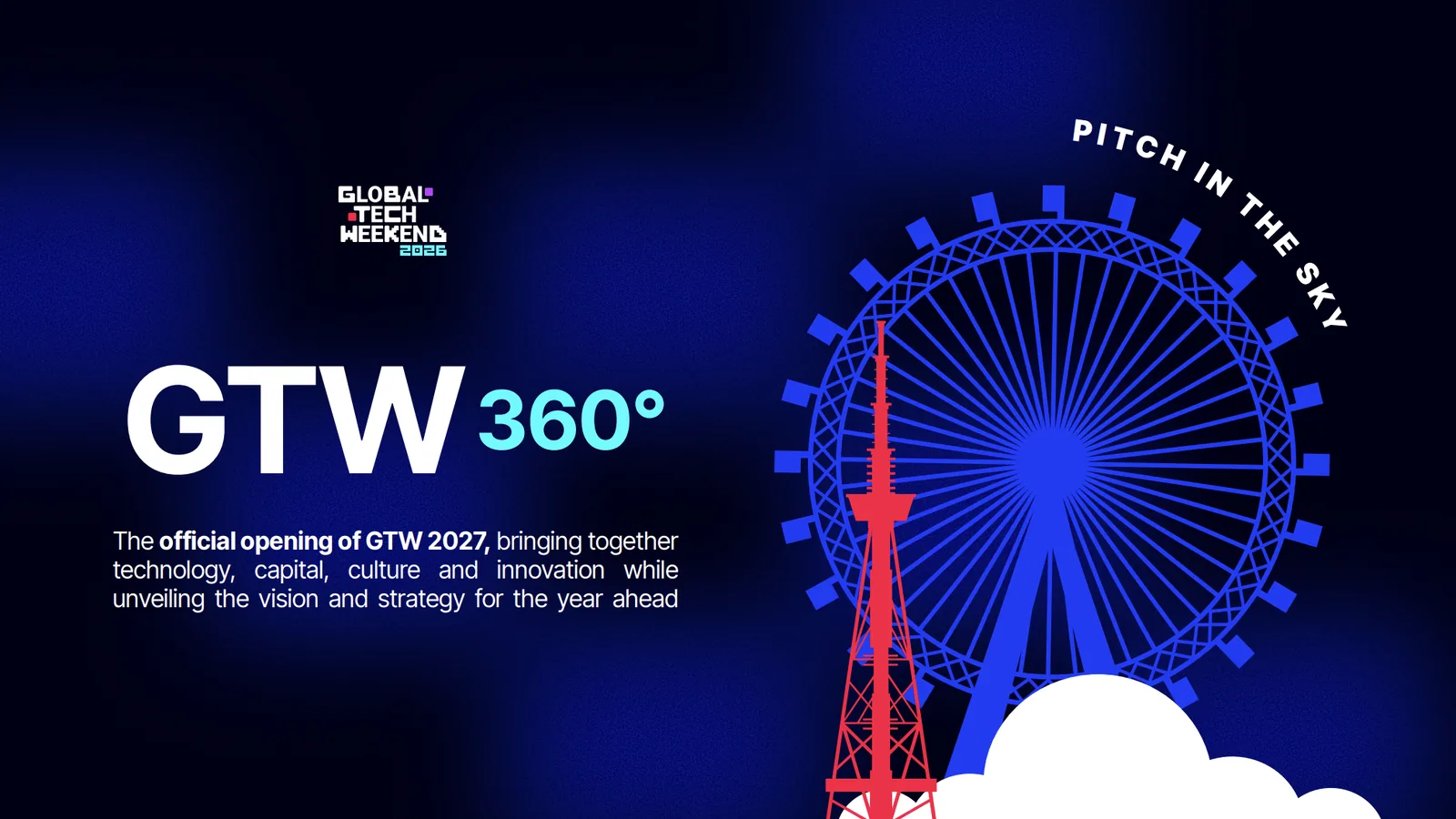
The launch of Global Tech Weekend 2027 will take place in Tbilisi.
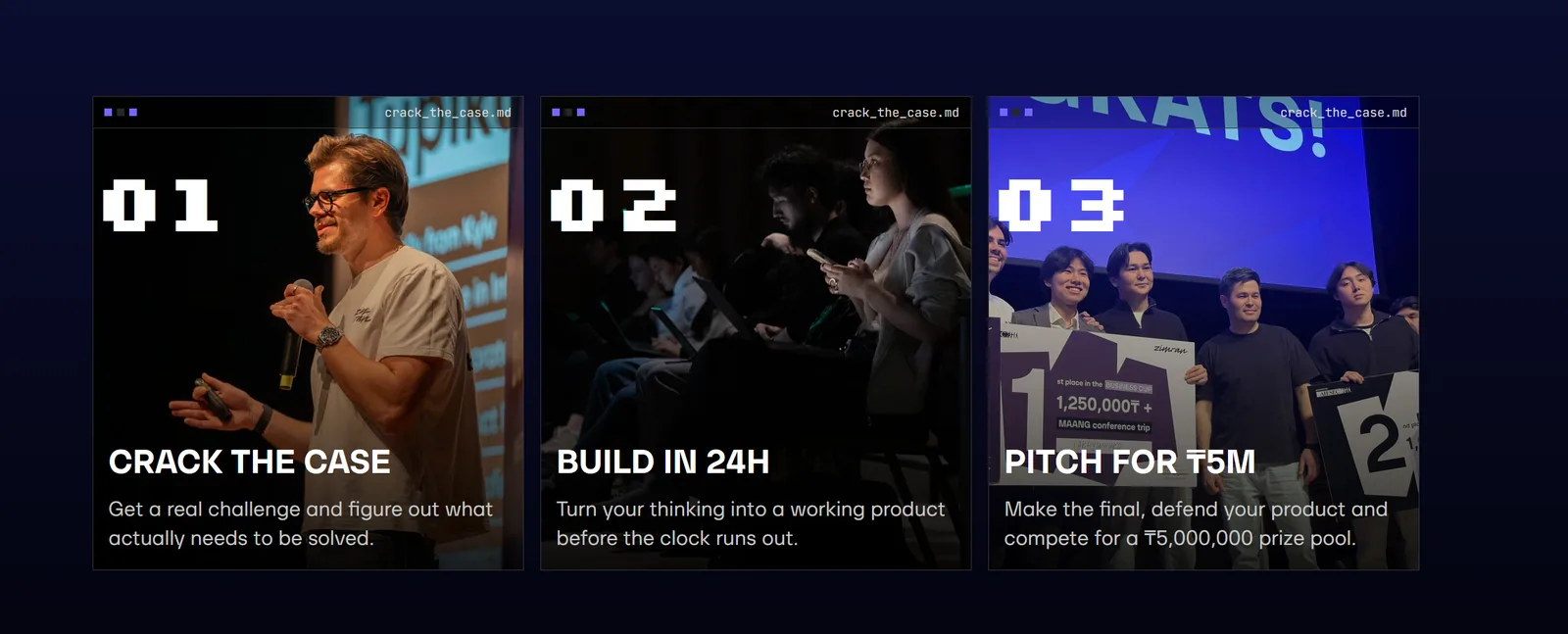
Business Cup, NASA Space Apps, and Startup Week: Opportunities for Startups in November 2026

How a guy from Kashkadarya created an IT startup and attracted $40,000 in investments