United States
Business stories, international expansion and opportunities in United States.
52 results found

Silicon Valley of Asia: A Review of the Technological Capital — Singapore
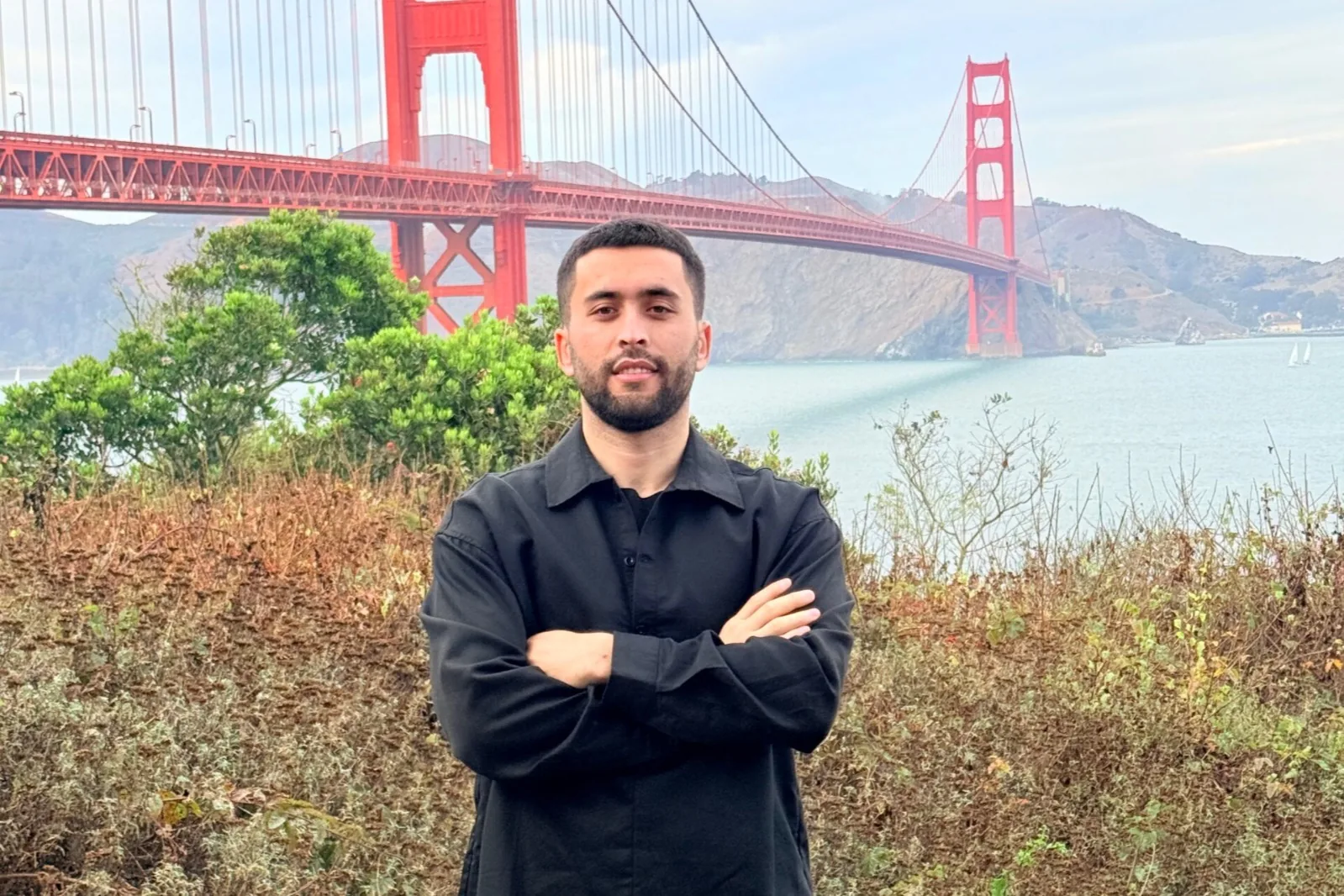
How the first founder from Tajikistan got into Y Combinator and is building a startup in the US

Silicon Valley of the UAE: a review of the technological capital — Abu Dhabi
The UAE has long been called the Silicon Valley of the Middle East. But while Dubai is the region's showcase, Abu Dhabi is becoming its true technological engine. It is here that sovereign wealth funds, AI infrastructure, and the region's main startup hub are concentrated.
Silicon Valley of Canada: an overview of the IT capital — the city of Waterloo
Waterloo is a small city in the province of Ontario with a population of about 550,000 and the second-highest density of startup ecosystems in the world after Silicon Valley. BlackBerry was born here, and OpenText, Arctic Wolf, and SAP operate in the area. The University of Waterloo graduates thousands of engineers each year, who are then recruited by the best companies in the world.

Silicon Valley of India: A review of the IT capital — the city of Bangalore
Bangalore is India's fourth most populous city, with a population of over 14 million people, and the country's main technology hub. It is home to Infosys, Wipro, Flipkart, Razorpay, and hundreds of offices of global companies. According to the Global Startup Ecosystem Report 2025, the city ranks 14th among the world's best startup ecosystems.

China's Silicon Valley: A Review of the Technological City of Shenzhen
Shenzhen is not just a city. It is an economic experiment that has succeeded. Over four decades, a fishing village has transformed into a global technology hub with a population of 17.7 million, home to Huawei, Tencent, BYD, and DJI. In 2026, the city will host APEC — and this is yet another confirmation of its status.
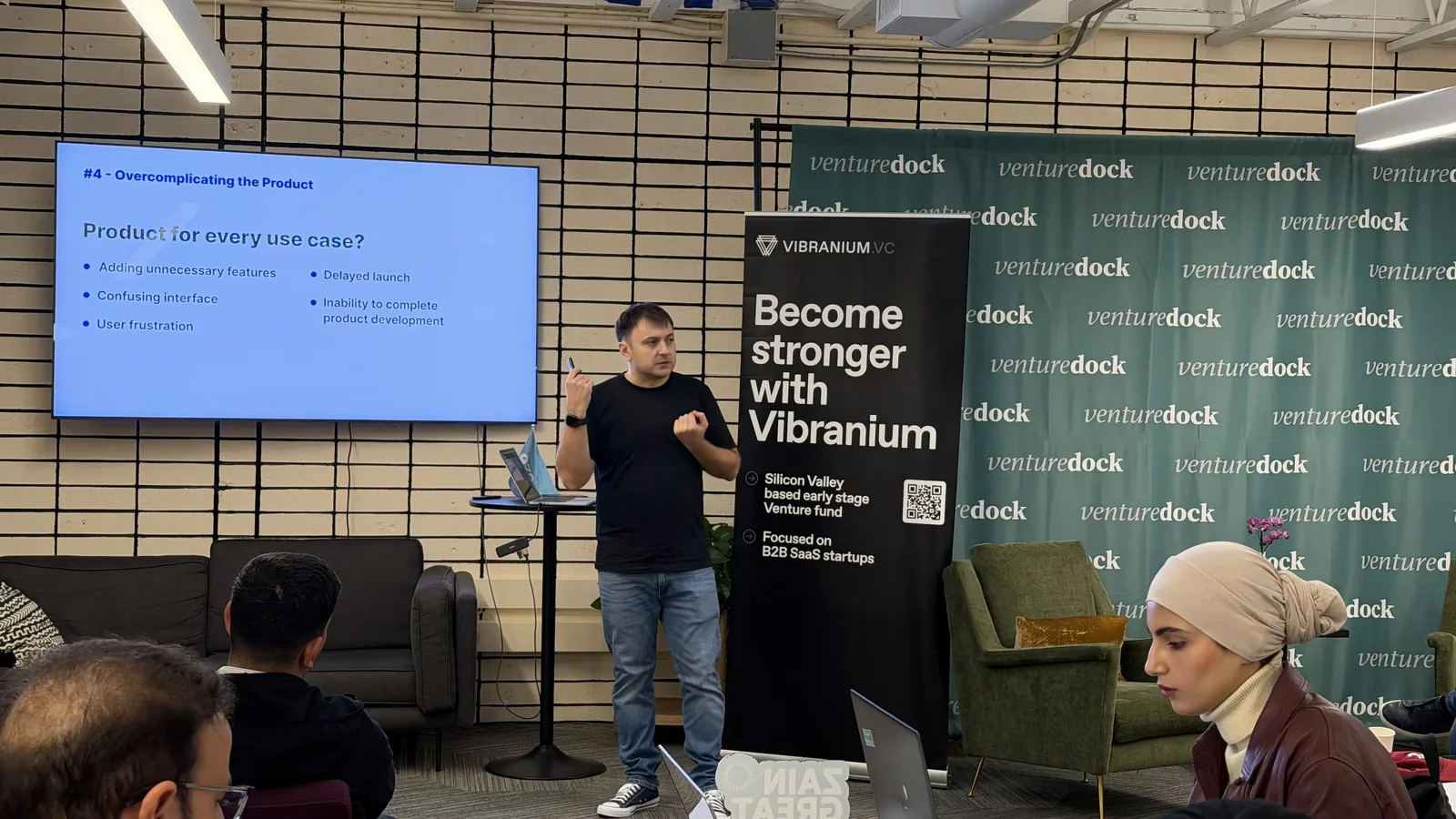
How a startup can enter the US market: mistakes made by founders from the CIS countries when entering Silicon Valley
On the air of The Tech, entrepreneur Oleg Sotnikov, who has been living in Silicon Valley for seven years, discussed the real mistakes made by founders from the CIS when entering the American market. Oleg explained why the US is not just a large market, but a completely different planet: a different sales culture, a different level of competition, and different rules of the game.
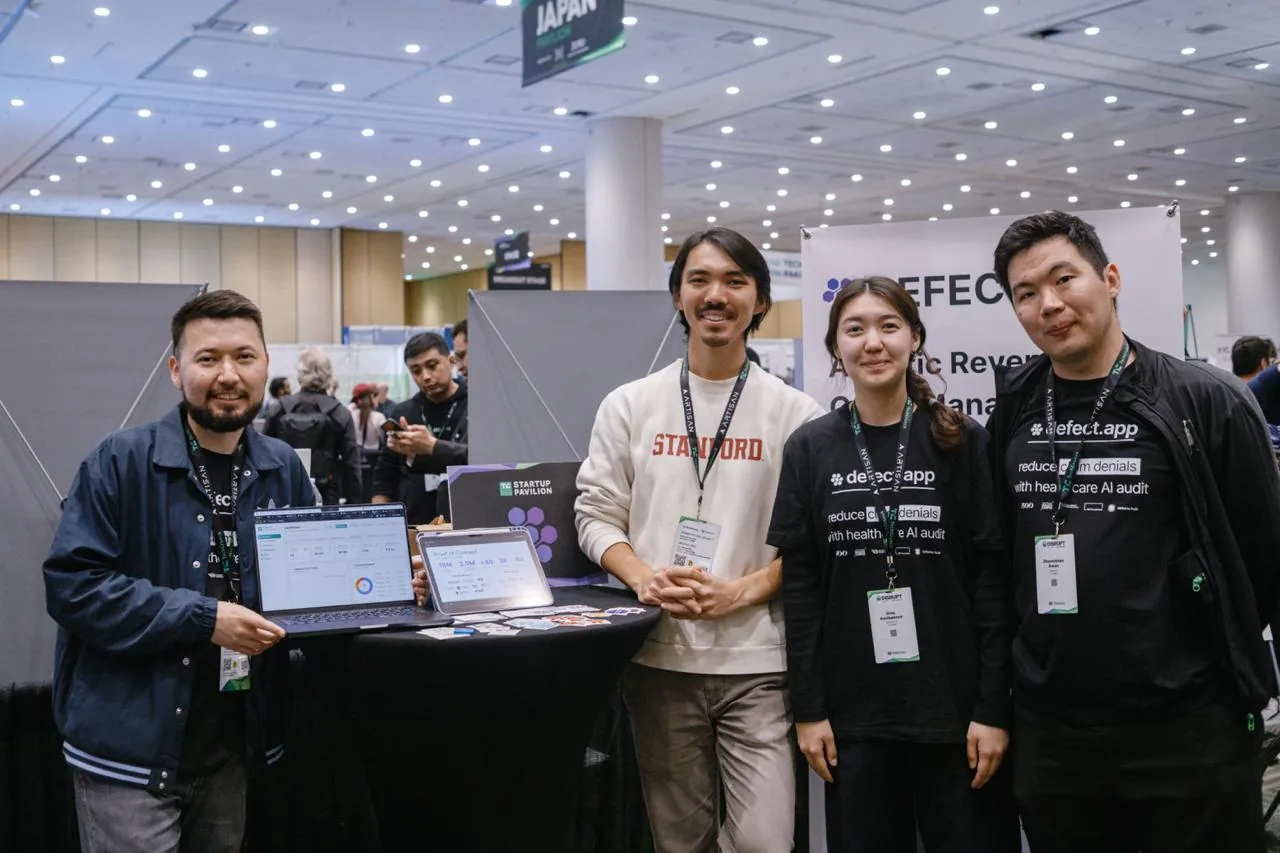
Kazakhstani developers have created an AI platform that is transforming the operations of medical clinics in the United States
Rette is an AI startup that helps medical organizations automate the handling of insurance claims and navigate the complex rules of insurance companies. The solution reduces the administrative burden on doctors and increases clinic efficiency through intelligent processing of medical documentation.
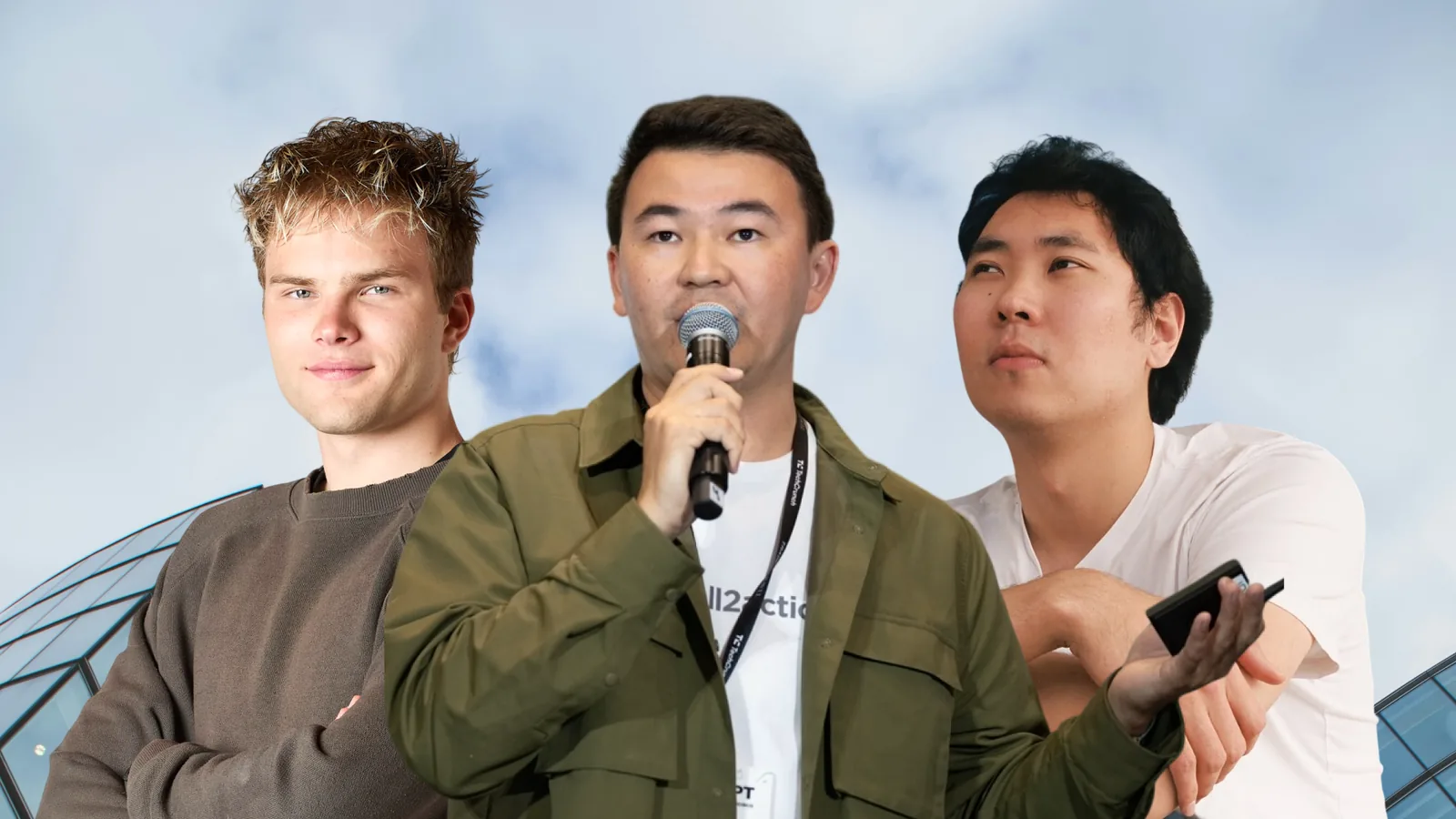
Entering the US market: advice from founders of Perceptis, Leaping AI, and Call2action.ai
Behind success stories in the American market often lie mistakes that cost startups too dearly. We gathered opinions from founders who have already tried to enter the US market to understand which decisions didn’t work and what conclusions they drew.
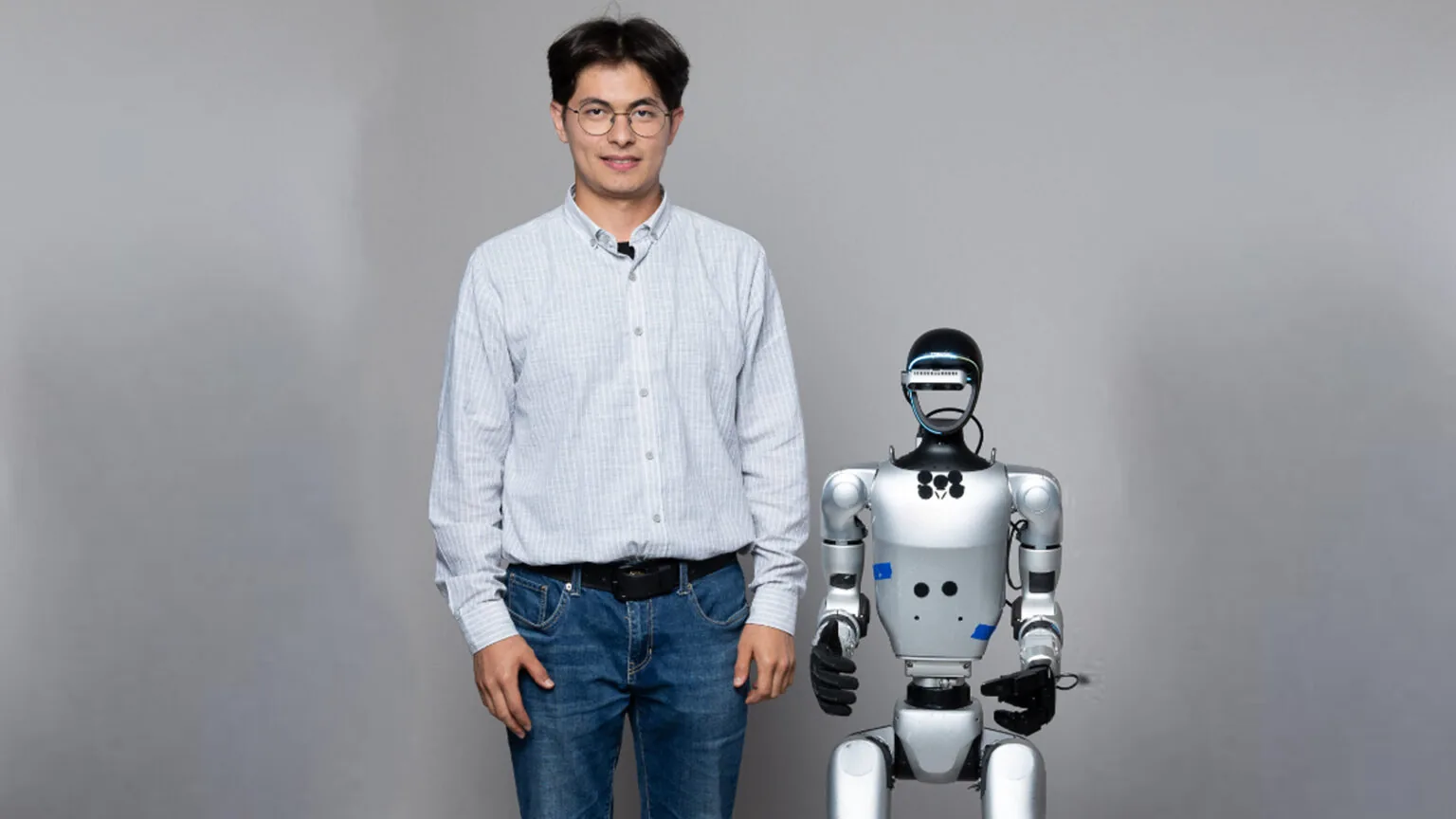
How an Uzbek is building the future of humanoid robots and attracting millions in Silicon Valley
Sanzhar Atamuradov is creating one of the most ambitious platforms in global robotics — Humanola, a Silicon Valley startup that turns telepresence into the foundation of physical artificial intelligence. The company allows people from all over the world to control humanoid robots with minimal latency, and every operator action is transformed into training data for future physical AGI.
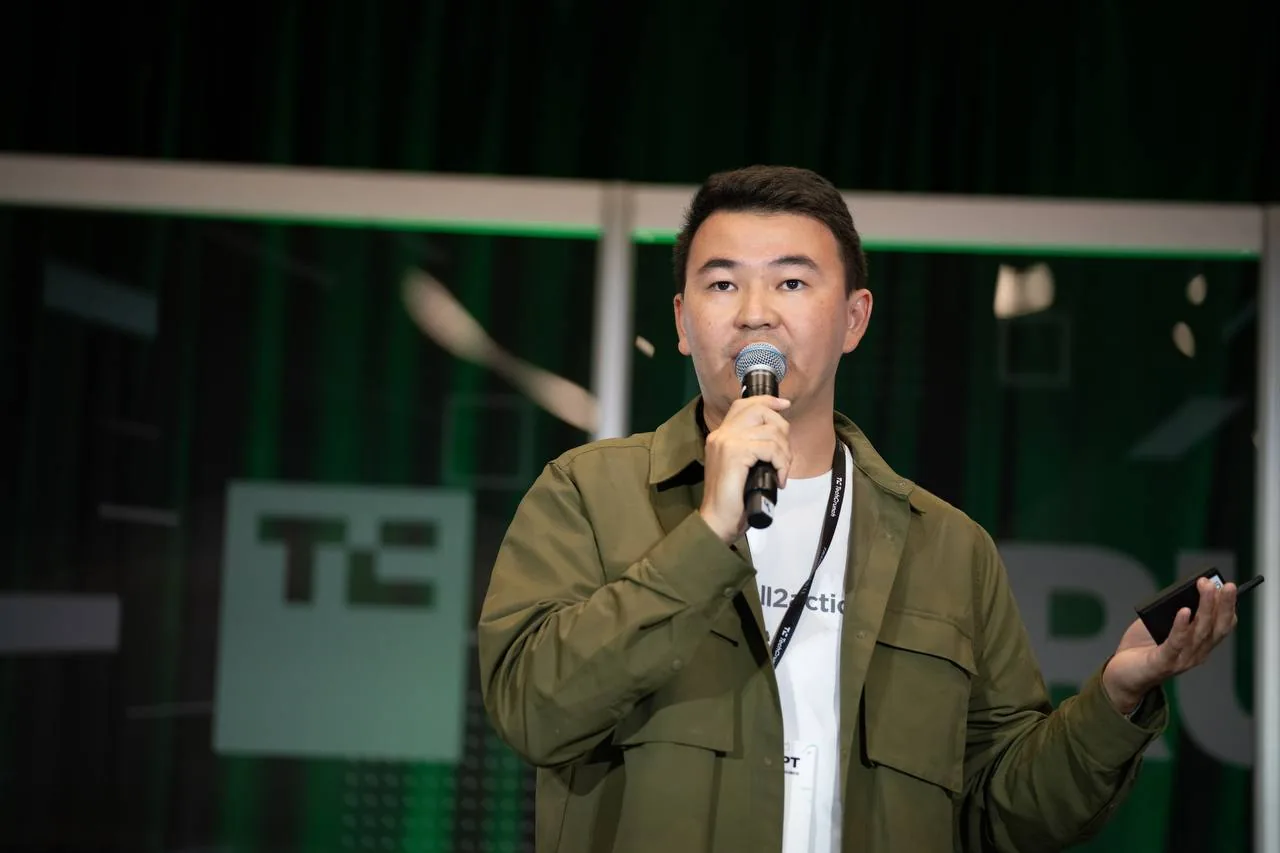
How to Raise $500,000 in Pre-Seed Funding and Enter the U.S. Market: The Call2action.ai Case
On the air of The Tech, Yersultan Jusakinov, founder of Call2action.ai, broke down his journey to entering the US market and raising a Pre-Seed round. In a conversation with Mikhail Smolyanov and Murat Zhunusov, he detailed bootstrapping, going through accelerators, a funnel of 100 investors, and why 80 rejections in Silicon Valley are just the beginning of fundraising.

Claude became the most popular app on the US App Store, and here's why
Claude AI is a language model developed by the American company Anthropic. Its founders are former researchers from OpenAI. The service can handle large volumes of text, write code, and analyze documents, but it is discussed not only for its technical capabilities. At the center of attention is the company's stance on the safe use of artificial intelligence.
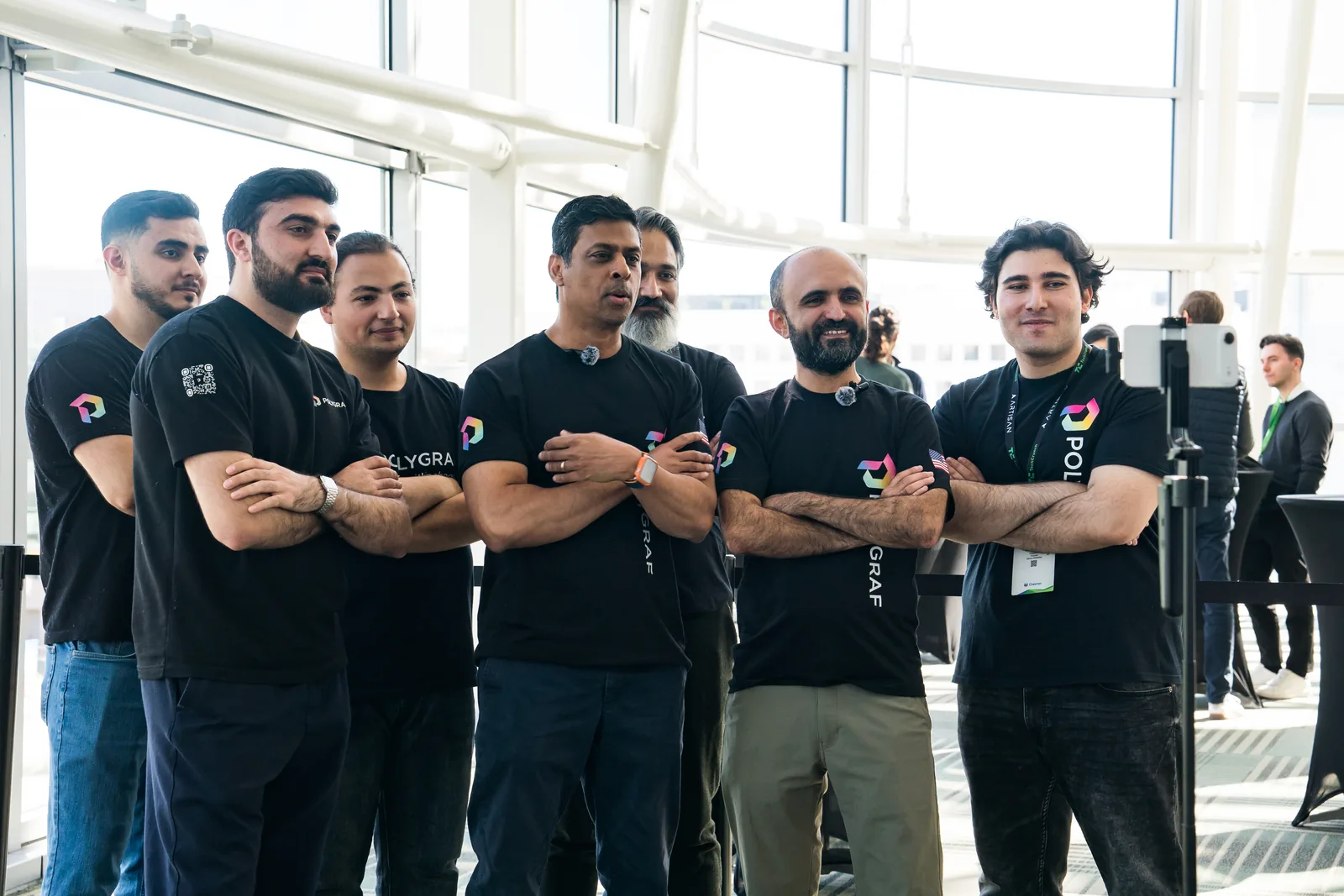
How the startup Polygraf AI, founded by Azerbaijani expats, is conquering the US AI security market
Polygraf AI, a startup founded by an Azerbaijani entrepreneur, helps American companies safely implement AI. In an interview, Head of Product Anar Bayramov shared the company's story, discussed industry challenges, and outlined its growth strategy.

Interest in traditional computer science is declining in the US — students are switching to AI programs
For the first time since the dot-com crash, enrollment in computer science programs in the US has declined. At the same time, interest in artificial intelligence specialties is growing rapidly—a trend that TechCrunch examines in detail.
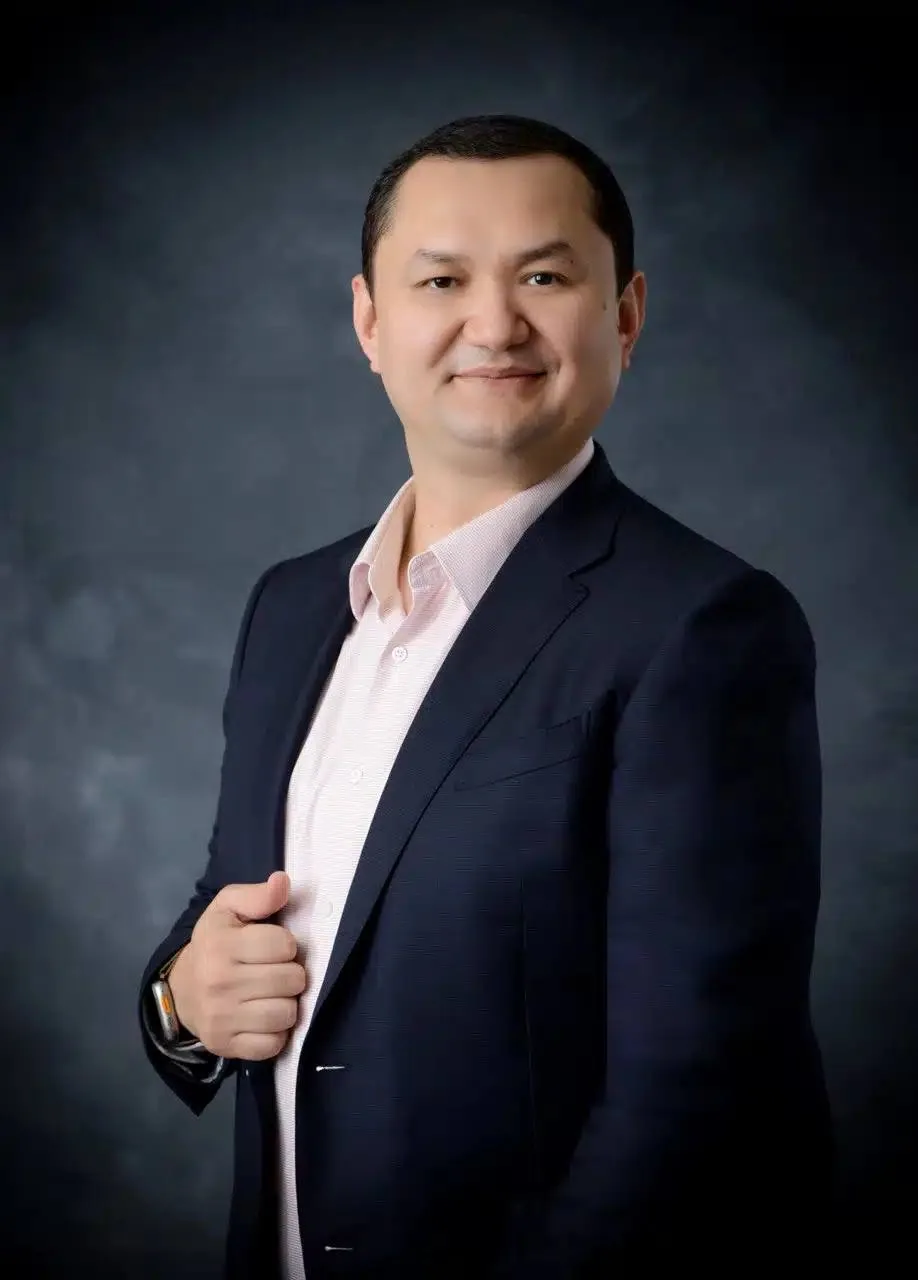
A Uzbek citizen founded a startup in the US, which is valued at over $17 million
AI company CoRun.ai, co-founded by Nodir Ruzmatov from Uzbekistan, is building an intelligent layer for fleet management, integrating operations, safety, and finance. In an interview with The Tech, Ruzmatov discussed the startup's journey, its key achievements, and shared advice for future founders.